

-
Products -PCBA Manufacturing RF Connectors RF Cable Assemblys Embedded Antennas External Antennas GNSS Positioning Solutions
RF Connectors

RF Cable Assemblys
Embedded Antennas
External Antennas
GNSS Positioning Solutions































 Language


Language


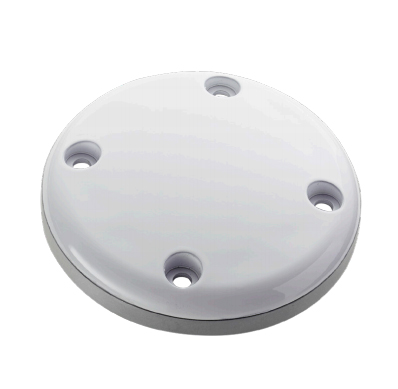
In the era of intelligent navigation, autonomous driving, precision surveying, and industrial IoT, high precision L1 L2 L5 antenna has become an indispensable core component of modern GNSS (Global Navigation Satellite System) positioning systems. Unlike traditional single-band or dual-band GPS antennas, professional L1 L2 L5 triple-band antennas support full-spectrum reception of modern GPS constellation signals, paired with advanced anti-interference technology, stable phase center characteristics, and multipath suppression capabilities, enabling centimeter-level and even sub-centimeter-level positioning accuracy.
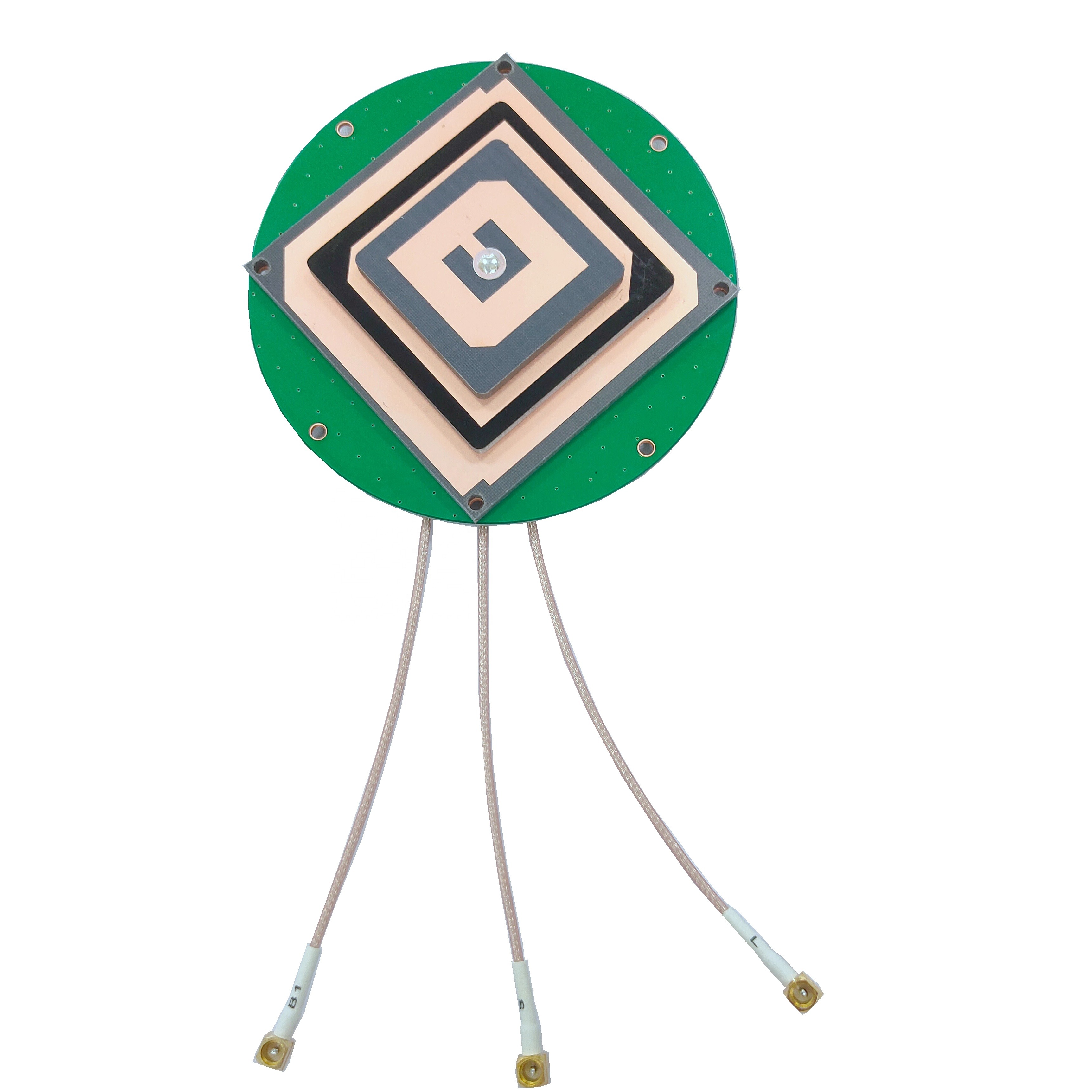
Why L1/L2/L5 Antennas Define Modern Surveying AccuracyIn the world of professional surveying, the GN
The global positioning landscape is undergoing a profound transformation. As industries demand ever-increasing levels of accuracy, reliability, and resilience from satellite navigation systems, the humble GNSS antenna has evolved from a simple signal receiver into a sophisticated engineering marvel. At the heart of this evolution lies the tri-band GNSS antenna—a device capable of simultaneously receiving signals across the L1, L2, and L5 frequency bands.

In modern positioning, navigation, and timing (PNT) systems, L1 L2 L5 GNSS antenna has become the core hardware for high-accuracy satellite signal reception, widely adopted in commercial, industrial, aerospace, and autonomous mobility fields. Unlike single-band GNSS antennas that only support the GPS L1 frequency, tri-band L1 L2 L5 GNSS antennas cover three core GPS frequency bands, paired with multi-constellation compatibility for Galileo, BeiDou, QZSS, and GLONASS signals.
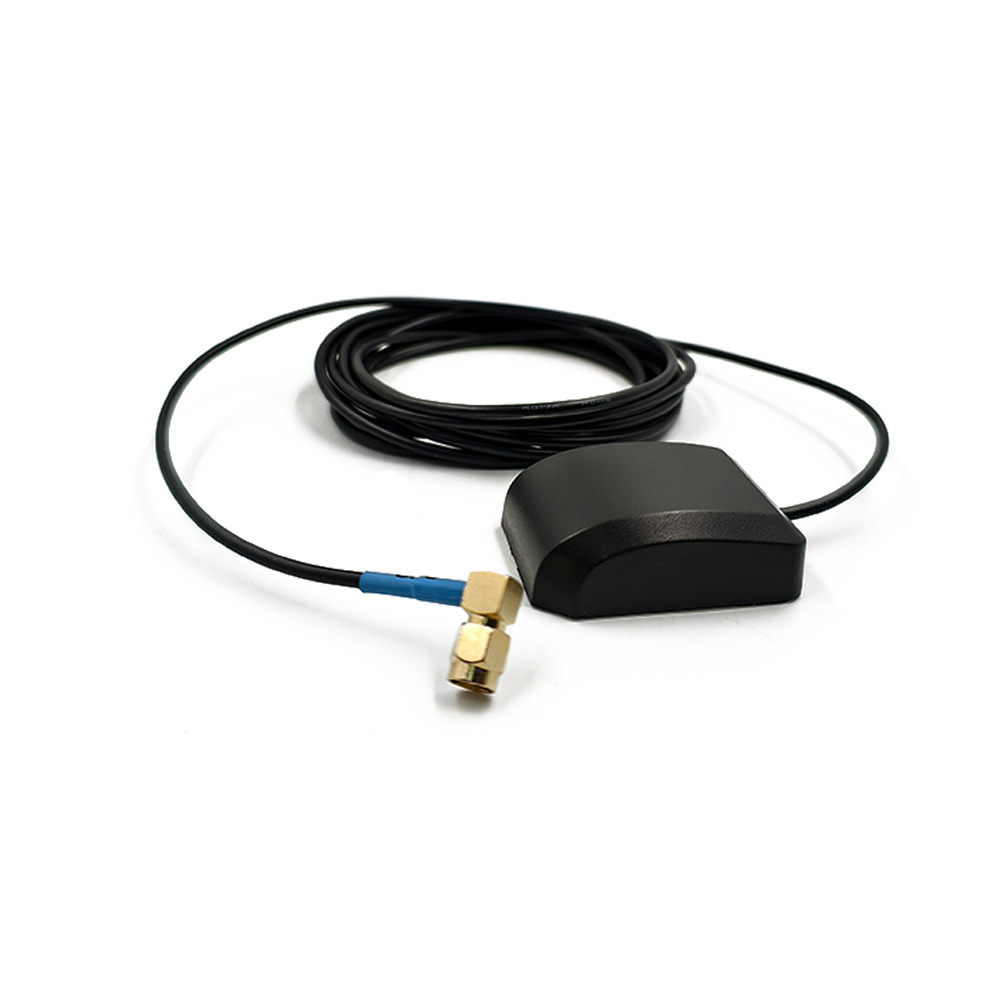
High stability aviation GNSS antennas are the foundational hardware component for reliable, high-precision satellite navigation in all aerial vehicles, including commercial aircraft, general aviation planes, unmanned aerial vehicles (UAVs), drones, and military aviation platforms. Unlike standard consumer-grade GNSS antennas that prioritize low cost over performance, aviation-specific GNSS antennas are engineered with extreme stability, anti-interference capabilities, and environmental durability to meet the rigorous demands of airborne operations.
In the world of aviation, reliable positioning data is not a luxury—it is a safety-critical requirement. Whether you are operating a commercial airliner, a cargo drone, or a military rotorcraft, the performance of your GPS antenna can mean the difference between a precise approach and a dangerous deviation.
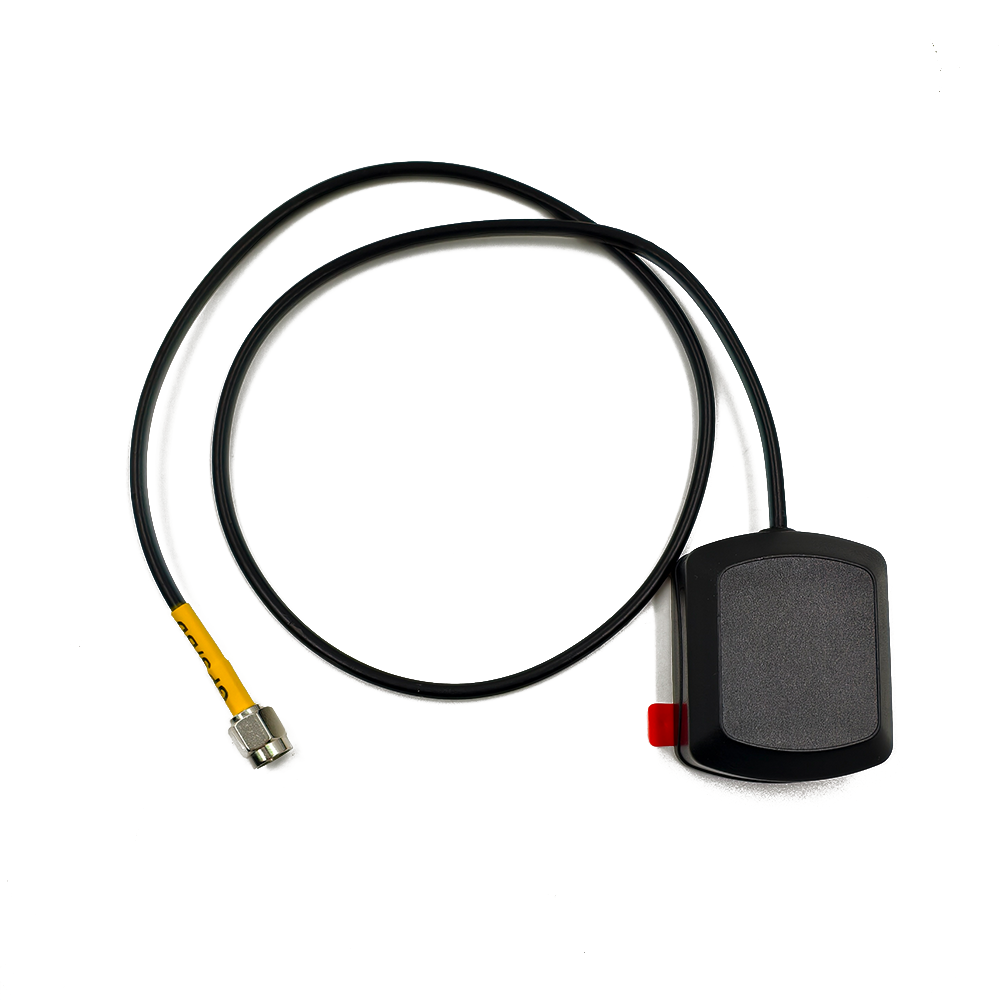
Why Lightweight Aviation GNSS Antennas MatterIn modern aviation and unmanned aerial systems, every g
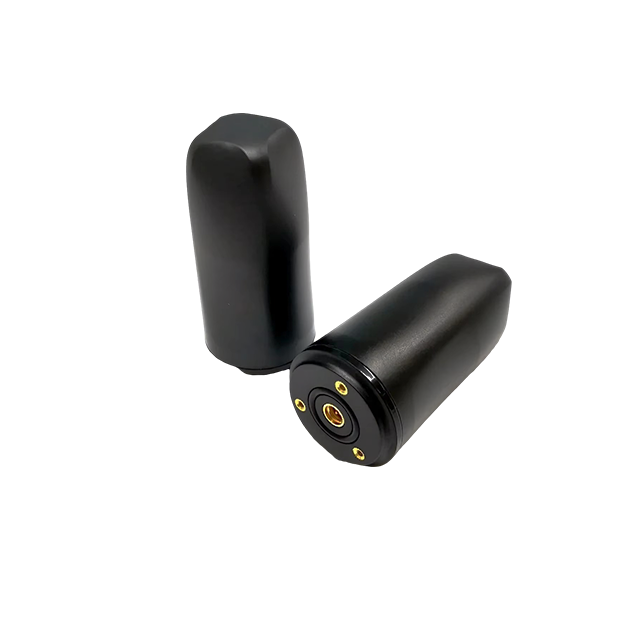
Low profile aviation GNSS antenna is a core navigation component specially optimized for aerial vehicle scenarios, including manned aircraft, commercial UAVs, industrial drones, general aviation aircraft, and autonomous flying platforms. Different from traditional bulky GNSS antennas, this low-profile design features ultra-thin structure, low wind resistance, lightweight body, and high environmental adaptability, perfectly matching the strict installation and operating requirements of aviation equipment.
Lucy Yang | lucy.y@toxutech.com
Dotty Zhao | sales04@toxutech.com
Global Business Director / Sales Team / Global Operations


 En
En Cn
Cn Korean
 Home >