

-
Products -PCBA Manufacturing RF Connectors RF Cable Assemblys Embedded Antennas External Antennas GNSS Positioning Solutions
RF Connectors

RF Cable Assemblys
Embedded Antennas
External Antennas
GNSS Positioning Solutions































 Language


Language


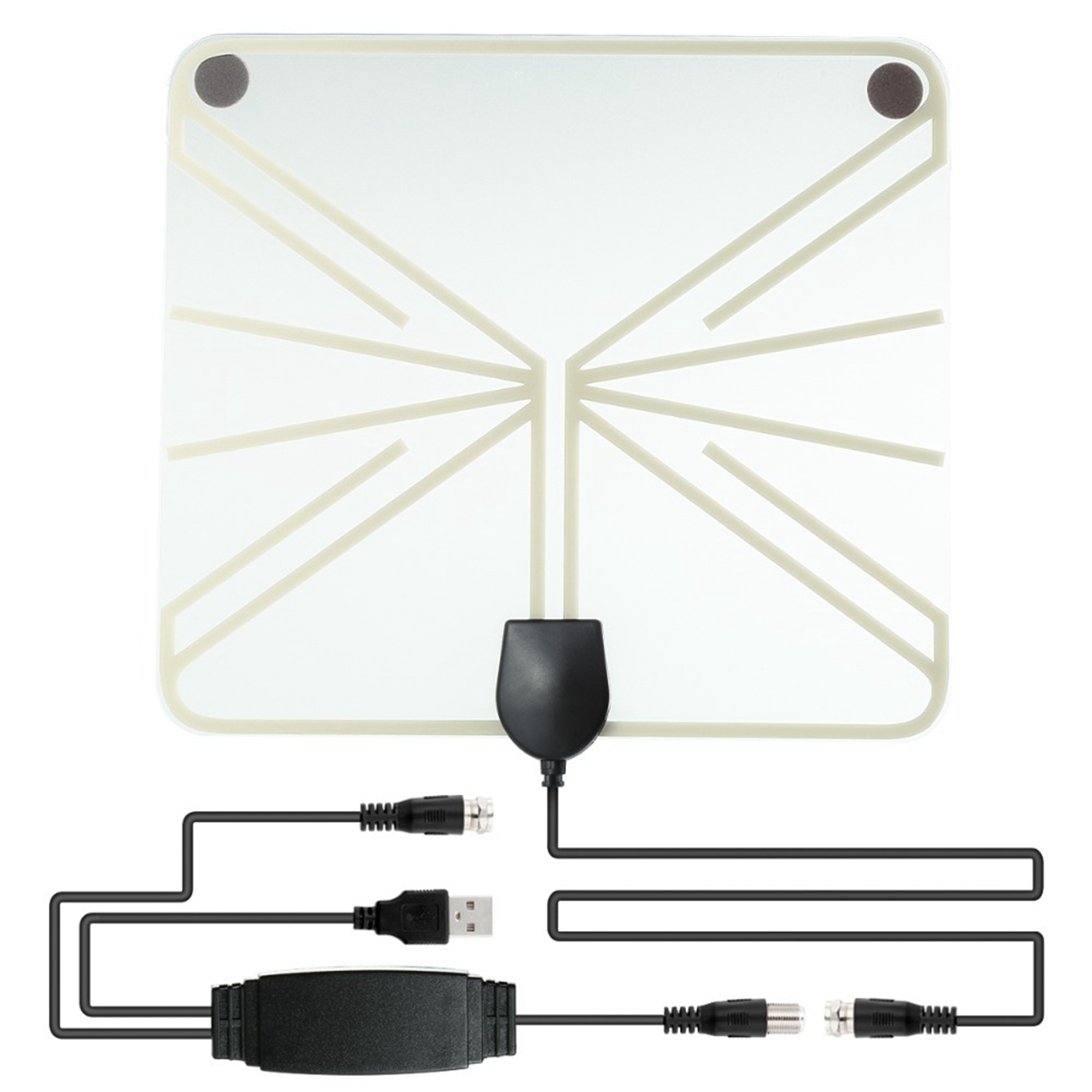
Mini FAKRA cable assembly (also widely known as HFM / High-Speed FAKRA Mini cable assembly) is a com
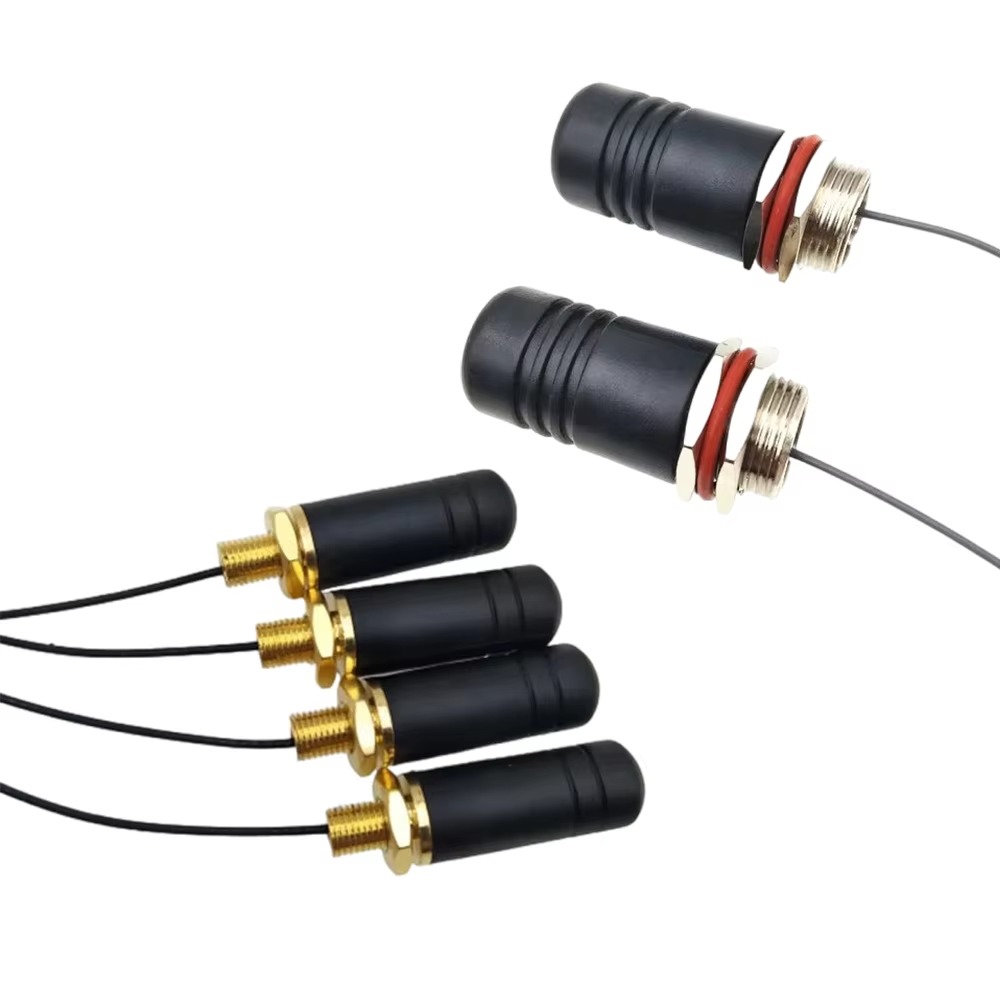
In the rapidly evolving world of RF and microwave communications, the N type coaxial jumper cable has become an indispensable component for engineers, system integrators, and procurement specialists. Whether you are deploying a 5G base station, building a distributed antenna system (DAS), or setting up a precision test laboratory, understanding the technical nuances of N type jumper cables can make the difference between a reliable network and one plagued by signal degradation.
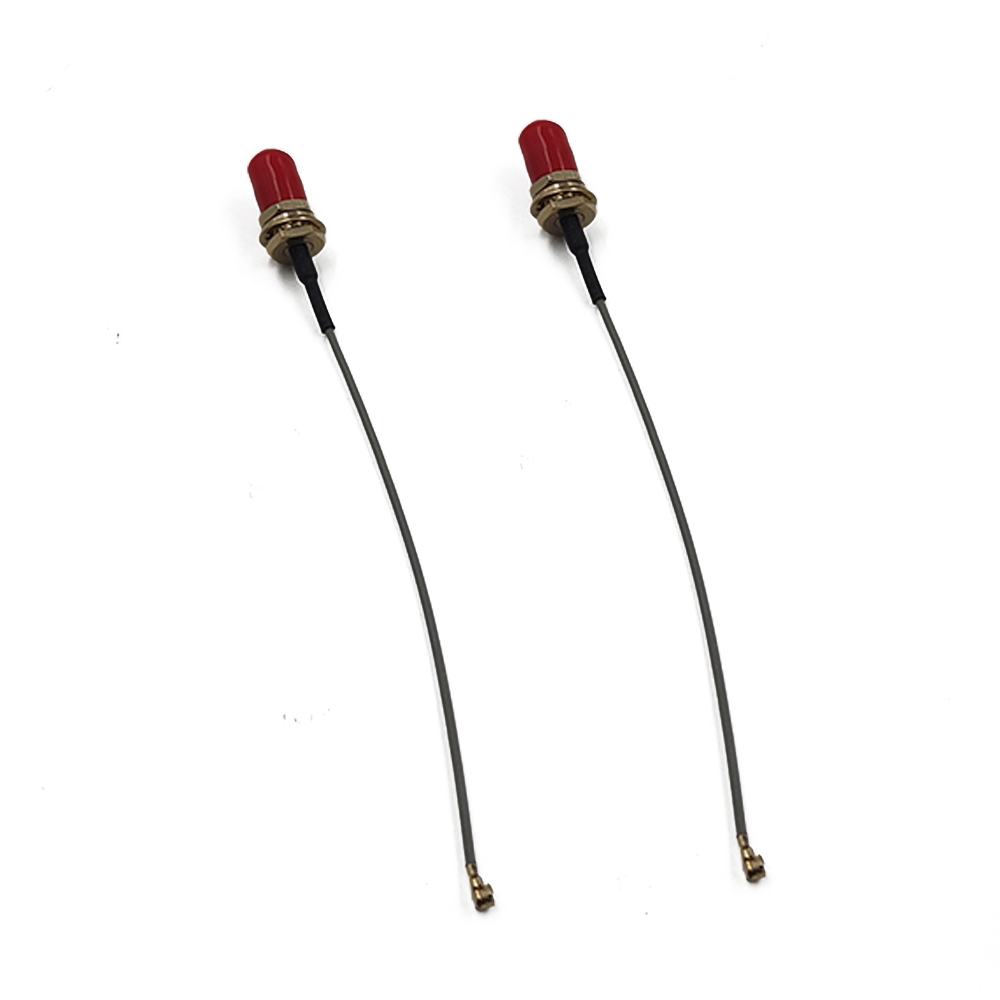
Low loss N type RF harness is a high-performance coaxial cable assembly designed for low signal attenuation, stable high-frequency transmission, and rugged industrial deployment. Widely adopted in 5G/4G telecom infrastructure, wireless communication systems, RF testing equipment, aerospace devices, and industrial IoT networks, this specialized RF harness combines the mechanical durability of N-type threaded connectors with ultra-low-loss coaxial cable technology.
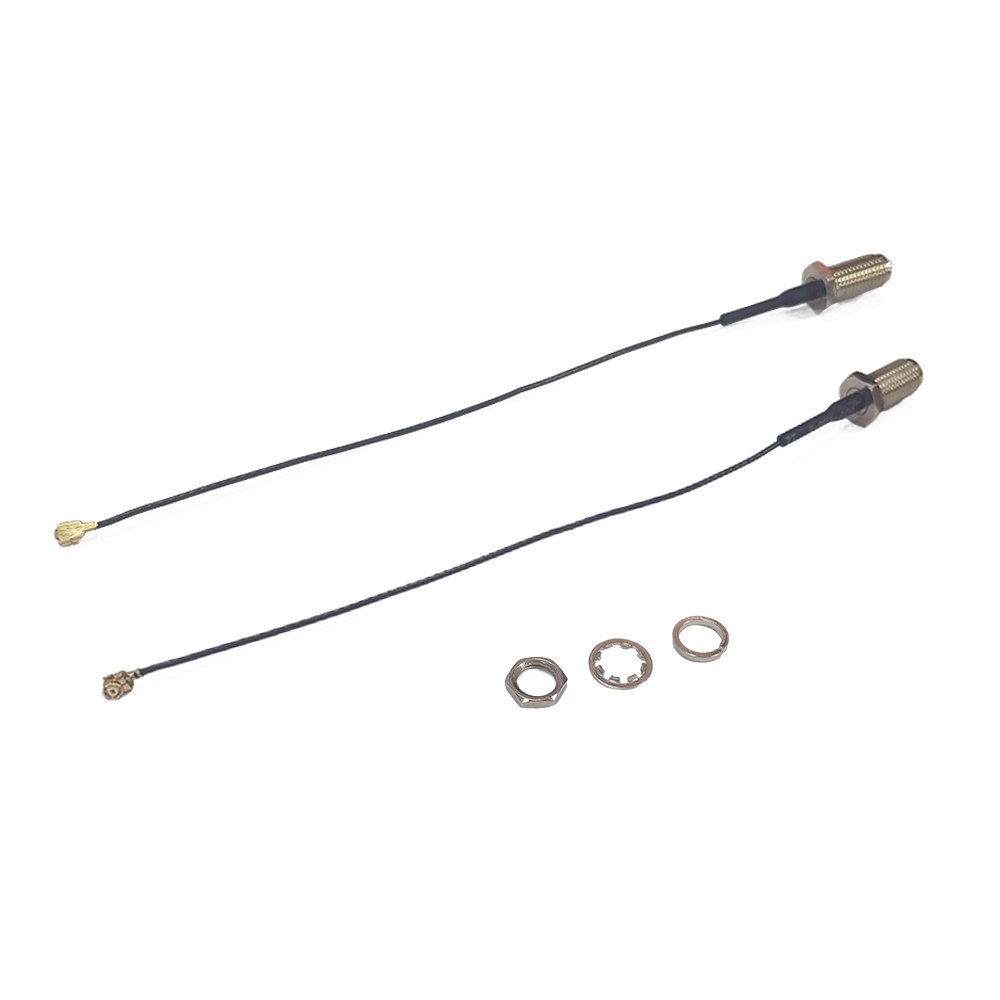
N Type cable assemblies are one of the most widely used RF coaxial cable solutions for high-frequency, high-power, and outdoor wireless communication systems. Known for their threaded locking structure, superior mechanical stability, and excellent electrical performance up to 11 GHz, N type cable assemblies have become the standard choice for industrial telecom, cellular infrastructure, radar systems, satellite communication, and outdoor RF device connections.
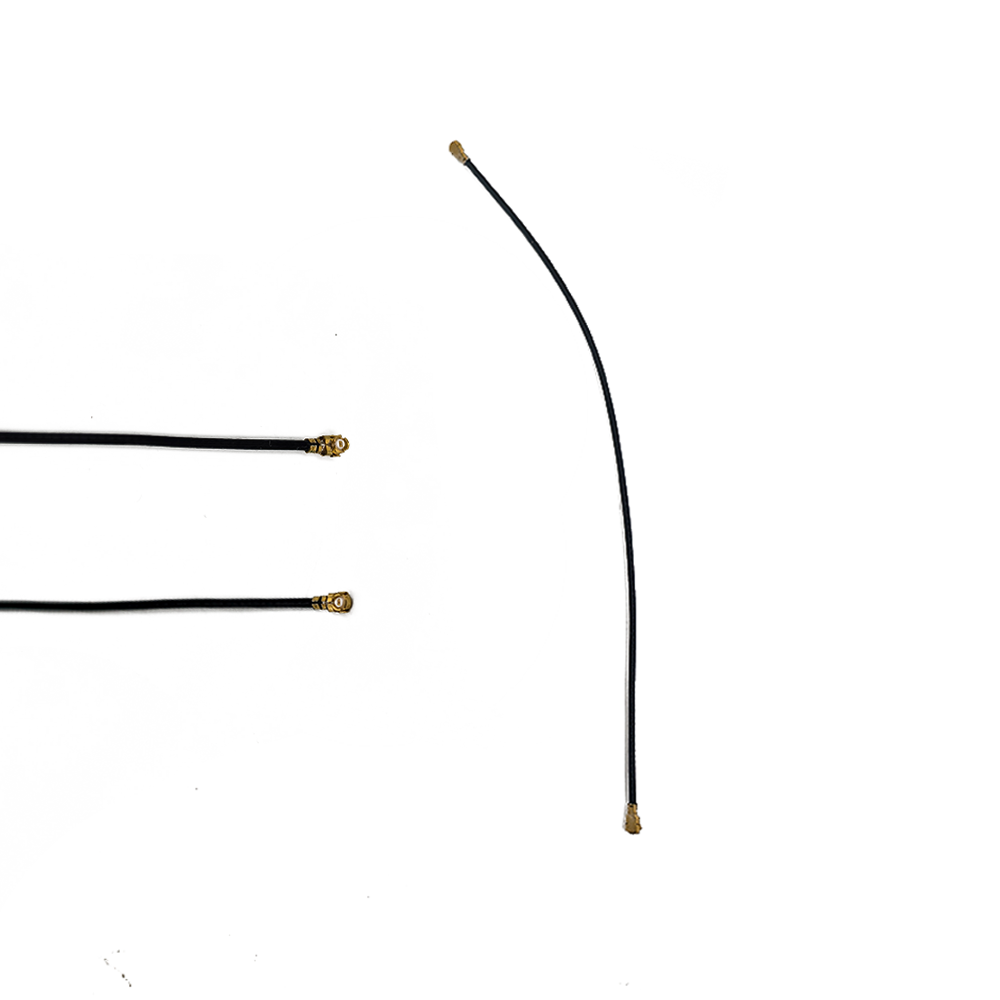
In the world of satellite navigation, the difference between a positioning system that works flawlessly and one that struggles with accuracy often comes down to the smallest components. Among these, the GNSS RF pigtail cable assembly plays a role that is both critical and frequently underestimated.
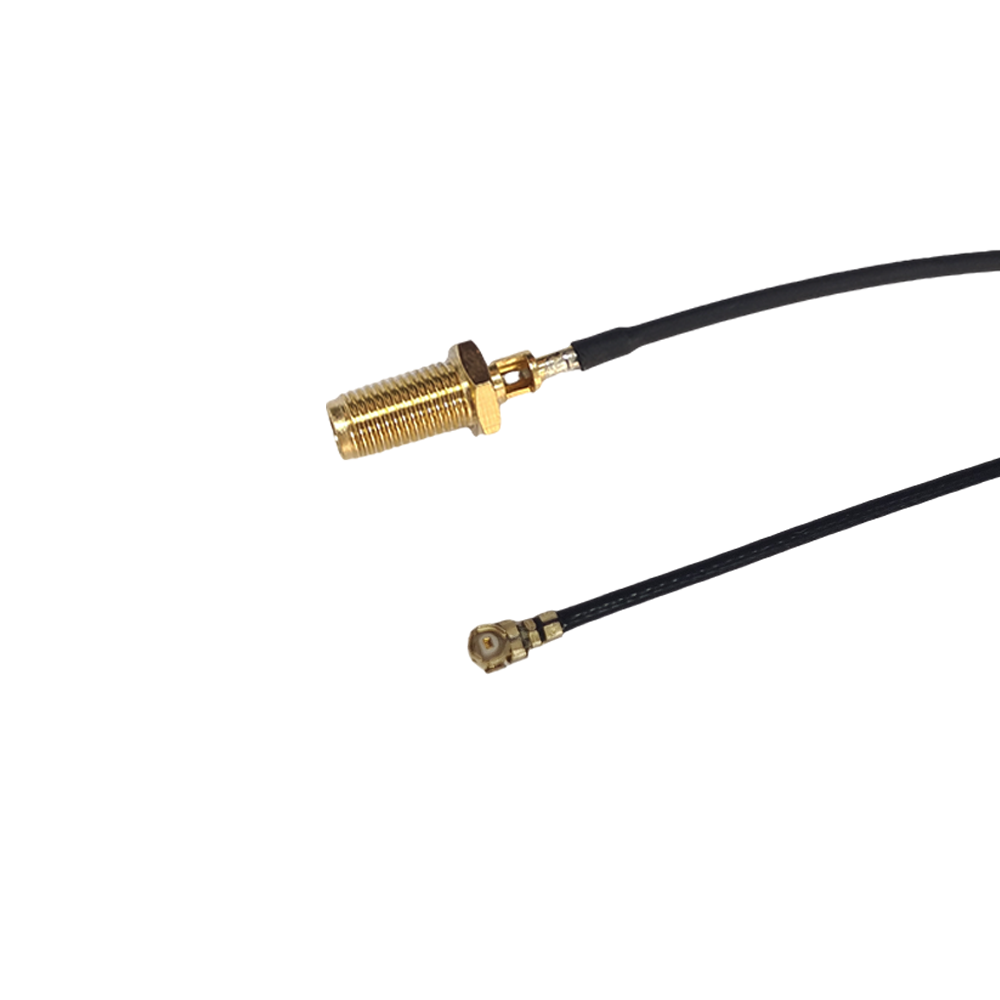
RF pigtail cable assemblies are essential passive components in modern radio frequency communication systems, serving as critical short-distance interconnect solutions for RF modules, antennas, wireless devices, and testing equipment. Widely known for their flexible structure, customized length, and diverse connector combinations, RF pigtail cables bridge internal circuit boards and external antenna ports, ensuring stable signal transmission, low signal loss, and reliable electromagnetic shielding across commercial, industrial, and aerospace wireless applications.
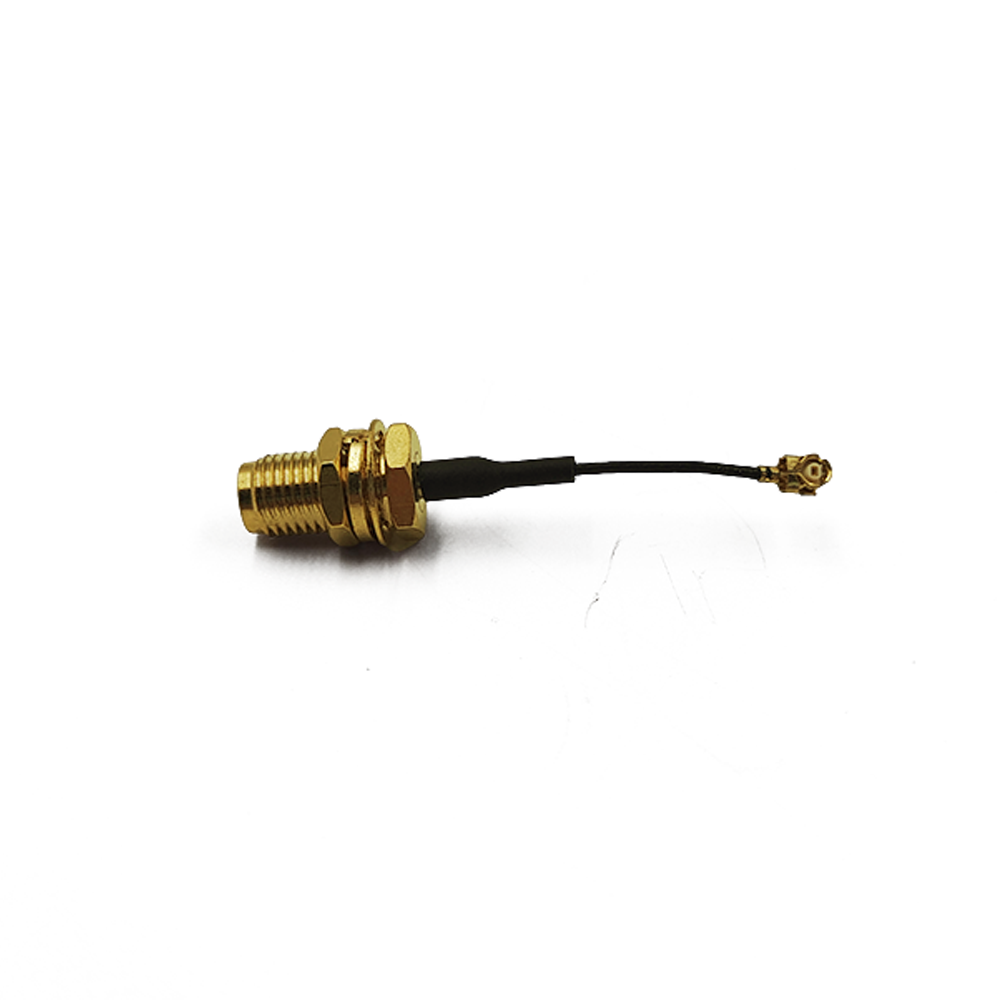
Low loss RF0.81 cable assemblies have become the gold standard for compact, high-frequency wireless communication systems, delivering exceptional signal stability, minimal signal attenuation, and ultra-flexible performance for modern IoT, 5G, Wi-Fi 6/6E, and precision RF testing devices. As miniature wireless electronics continue to shrink in size while upgrading frequency bandwidth requirements, traditional bulky RF coaxial cables can no longer meet the demands of narrow-space installation and high-precision signal transmission
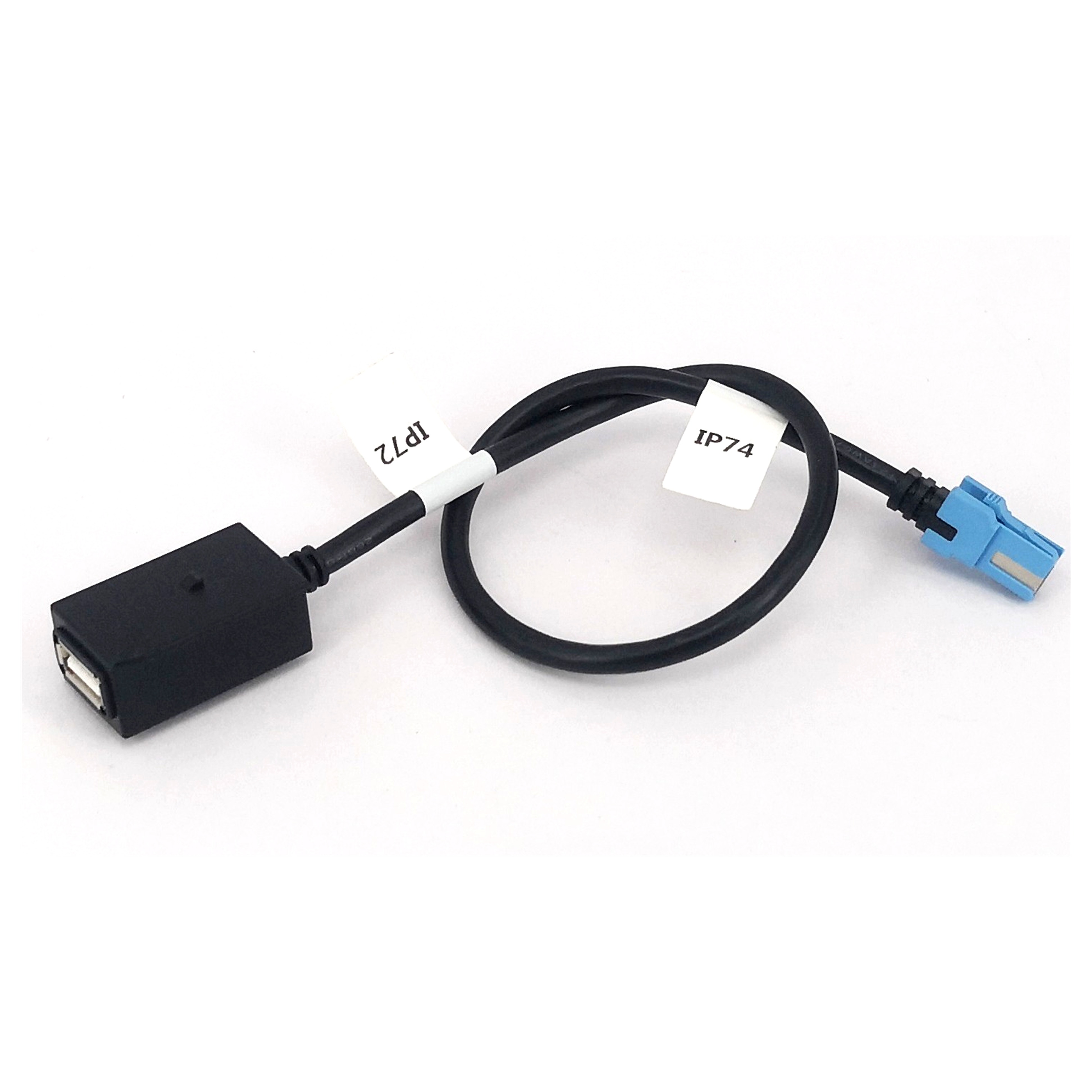
In the world of modern electronics, the relentless push toward miniaturization has created an engineering paradox: devices are getting smaller, yet the demand for high-frequency signal transmission has never been greater. From 5G smartphones and AI-powered laptops to autonomous vehicle sensor arrays, the internal real estate available for RF interconnects is shrinking by the generation.
Lucy Yang | lucy.y@toxutech.com
Dotty Zhao | sales04@toxutech.com
Global Business Director / Sales Team / Global Operations


 En
En Cn
Cn Korean
 Home >