

-
Products -PCBA Manufacturing RF Connectors RF Cable Assemblys Embedded Antennas External Antennas GNSS Positioning Solutions
RF Connectors

RF Cable Assemblys
Embedded Antennas
External Antennas
GNSS Positioning Solutions































 Language


Language


Time:2026-10-15 Views:0
In the world of aviation, reliable positioning data is not a luxury—it is a safety-critical requirement. Whether you are operating a commercial airliner, a cargo drone, or a military rotorcraft, the performance of your GPS antenna can mean the difference between a precise approach and a dangerous deviation. Among the many specifications that define a quality aviation antenna, waterproofing stands out as a non-negotiable feature. This guide explores everything you need to know about waterproof aviation GPS antennas, from technical specifications to real-world applications and purchasing considerations.
Why Waterproofing Matters in Aviation Antennas
Aviation environments are unforgiving. An antenna mounted on the exterior of an aircraft faces rain, ice, snow, hail, humidity, and rapid pressure changes across varying altitudes. Without proper sealing, moisture ingress can cause signal degradation, corrosion of internal components, or complete antenna failure. The consequences range from intermittent GPS dropouts to total loss of navigation capability during critical flight phases.
Waterproof aviation GPS antennas are engineered to withstand these extremes. They typically achieve protection ratings such as IP67, which indicates complete protection against dust ingress and temporary immersion in water . More importantly, aviation antennas must comply with rigorous environmental standards including DO-160, the standard environmental conditions and test procedures for airborne equipment . These tests verify resistance to humidity, water spray, icing, and temperature cycling—all conditions that can compromise a non-sealed antenna.
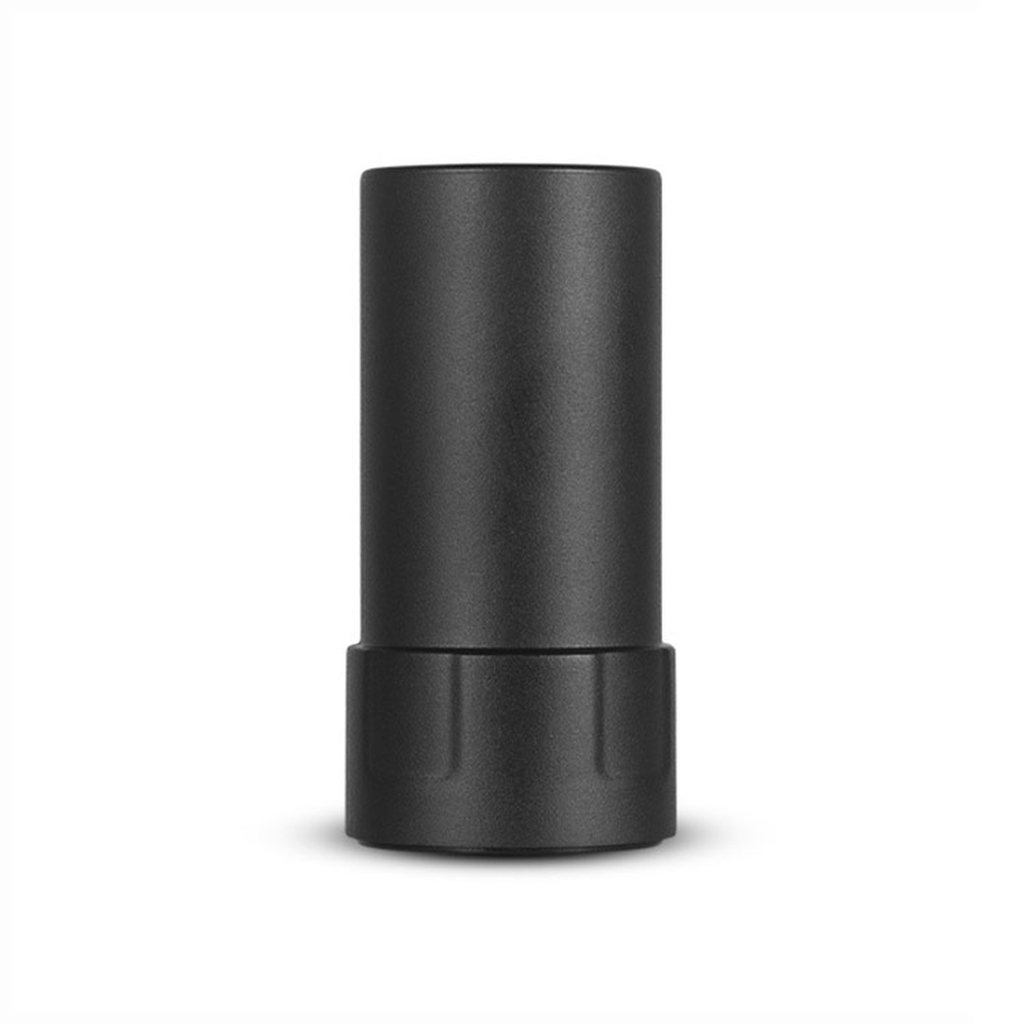
Key Specifications of Waterproof Aviation GPS Antennas
Environmental Protection and Sealing
The most visible indicator of waterproofing is the Ingress Protection (IP) rating. An IP67 rating confirms the antenna can survive temporary immersion in water, making it suitable for even the most demanding aviation environments . Beyond the IP rating, quality aviation antennas feature:
O-ring seals that prevent water intrusion at mounting interfaces
Hermetically sealed housings for complete environmental isolation
Waterproof venting technology that equalizes pressure without admitting moisture
Frequency Bands and Signal Support
Modern aviation operations increasingly rely on multiple satellite constellations for redundancy and accuracy. A premium waterproof aviation GPS antenna typically supports:
GPS L1 (1575.42 MHz) — the foundation of aviation GPS navigation
GLONASS — Russian constellation providing additional satellite geometry
Galileo — European GNSS for enhanced precision in E1/E5 bands
BeiDou — Chinese constellation covering B1/B2/B3 frequencies
L-band correction services — for SBAS and high-precision RTK applications
The S67-1575-132 from Sensor Systems exemplifies a purpose-built aviation antenna with ARINC 743A compliance, 29.5 dB gain, and hermetically sealed construction specifically selected for Boeing aircraft with MMR installations .
Gain and Amplifier Performance
Aviation antennas require sufficient gain to overcome cable losses and maintain signal lock in dynamic flight conditions. Typical specifications include:
Antenna gain of 3 to 4.5 dBic at zenith for passive elements
LNA gain ranging from 26 dB to 40 dB depending on cable length and receiver requirements
Low noise figure (typically 2.0 to 2.8 dB) to preserve signal-to-noise ratio
Wide voltage input (often +4 to +24 VDC) with internal regulation for aircraft power systems
The Harxon JH003 demonstrates how modern engineering delivers 35 dB LNA gain alongside IP67 protection and out-of-band rejection of up to 85 dB, effectively suppressing interference in congested electromagnetic environments .
Mechanical and Environmental Durability
A waterproof antenna must also survive mechanical stresses unique to aviation:
Operating temperature range of -40°C to +85°C or wider
Vibration resistance tested to 10 G's
Altitude capability up to 55,000 feet
Lightning protection through DC grounding
Chemical resistance to Skydrol hydraulic fluid, jet fuel, and de-icing agents
The Sensor Systems S67-1575-20 features a spherical radius molded radome specifically designed to enhance protection against rain, ice, and lightning strikes while maintaining a lightweight profile .
Waterproof Ratings and Aviation Standards Explained
IP Ratings in Aviation Context
While IP67 is common for aviation antennas, it is important to understand what this rating means in practice. The "6" indicates total protection against dust ingress, while the "7" means the antenna can withstand immersion in up to 1 meter of water for 30 minutes . For aviation applications, this translates to reliable operation during:
Heavy rain at flight speeds
Condensation from rapid altitude changes
Washing and de-icing operations
High-humidity ground operations in tropical environments
DO-160 and FAA TSO Compliance
The DO-160 standard defines environmental test conditions for airborne equipment, including water leakage, humidity, and icing tests. Aviation antennas from reputable manufacturers are tested to DO-160 requirements to verify their environmental sealing integrity .
FAA Technical Standard Orders (TSO) provide additional assurance. The TSO-C129a covers Airborne Supplemental Navigation Equipment using GPS, while TSO-C144 addresses antennas for GPS receivers. An antenna bearing these certifications has been verified to meet minimum performance standards including environmental robustness .
Applications: Where Waterproof Aviation GPS Antennas Are Deployed
Commercial Aviation
Commercial aircraft rely on GPS antennas for RNAV approaches, RNP operations, and ADS-B position reporting. The Sensor Systems S67-1575-132 is selected for all Boeing aircraft with Multi-Mode Receiver installations, delivering 29.5 dB gain with a low profile radome design that minimizes drag while maintaining signal quality .
Unmanned Aerial Vehicles (UAVs)
Drones and UAVs operate in environments where size, weight, and power are constrained, yet reliability remains paramount. The Harxon JH003 at just 250 grams and Φ109mm dimensions provides full-band GNSS support with IP67 protection, making it ideal for UAV surveying and inspection missions . The Maxtena M9PLUS-HCT-A-SMA similarly targets autonomous UAVs with IP67-rated automotive-grade components and L1/L2/L5 support .
Military and Defense
Military operations demand the highest levels of environmental sealing and signal integrity. The GPS/GNSS L1L2-2GP bottom-mount passive antenna is designed to support the warfighter with waterproof construction, chemical resistance, and an integrated resistor for antenna/cable BIT . Antennas in this class often comply with MIL-STD-810 and MIL-E-5400 specifications .
Marine and Ground Vehicles
Although aviation-focused, waterproof GPS antennas frequently find application in marine and ground vehicle environments where similar environmental challenges exist. The Taoglas Accura series provides IP67-rated direct-mount antennas suitable for transportation, navigation, and remote asset tracking, with options for active multi-band or passive GPS/GLONASS/Galileo/BeiDou configurations .
How to Select the Right Waterproof Aviation GPS Antenna
Define Your Signal Requirements
Start by determining which constellations and frequency bands your receiver supports. If you need only GPS L1, a passive antenna like the Sensor Systems S67-1575-20 may suffice . For multi-constellation operations with high-precision requirements, consider antennas supporting L1/L2/L5 plus L-band correction services .
Evaluate Environmental Severity
Consider where the antenna will be mounted. Fuselage-mounted antennas face direct rain impact and require the most robust sealing. Internal or protected locations may allow for less stringent waterproofing, though aviation standards still demand DO-160 compliance.
Match Gain to Cable Run
Long cable runs between antenna and receiver require higher LNA gain to compensate for signal loss. The Sensor Systems S67-1575-59 offers 40 dB gain for installations with significant cable distances, while the base S67-1575-20 passive model works for short runs . Active antennas typically accept +4 to +24 VDC through the coax connector .
Verify Certification Compliance
For civil aviation installations, confirm that the antenna meets the applicable TSO (C129a, C144) and that the manufacturer provides documentation of DO-160 testing. Military applications may require MIL-STD-810 compliance as well .
Consider Form Factor and Mounting
Aviation antennas come in various form factors:
Low-profile blade or patch antennas minimize drag on fuselage exteriors
Helix antennas provide pattern control for challenging installations
Bottom-mount configurations with TNC or SMA connectors simplify integration
Installation and Maintenance Best Practices
Proper installation is critical to preserving waterproof integrity. Key considerations include:
O-ring inspection — Ensure the O-ring seal is properly seated and free of debris before mounting
Connector sealing — Apply appropriate sealing techniques to the coaxial interface
Torque specifications — Follow manufacturer guidelines to avoid over-compressing seals
Periodic inspection — Check for cracking, UV degradation, or seal deterioration during routine maintenance
Avoid solvent damage — Use only approved cleaning agents that do not degrade radome materials
The Future of Waterproof Aviation GPS Antennas
As aviation moves toward ADS-B mandate compliance and GNSS-based precision approaches become standard, the demand for robust, multi-constellation antennas will only grow. Emerging trends include:
Integrated multi-band antennas covering L1 through L5 frequencies in single compact units
Anti-jamming and anti-spoofing capabilities built into antenna electronics
Lightweight composite materials that reduce weight without sacrificing durability
Enhanced out-of-band rejection to combat LTE and other terrestrial interference
The Harxon HX-BA682A represents this evolution, combining a three-system, six-frequency design with patented waterproof venting in a package weighing just 230 grams .
A waterproof aviation GPS antenna is more than a component—it is a critical element of flight safety and operational reliability. From the harsh environment testing of DO-160 to the practical demands of rain, ice, and humidity, these antennas must perform flawlessly when it matters most. By understanding the key specifications, environmental ratings, and application requirements outlined in this guide, you can select an antenna that delivers consistent, accurate GPS positioning regardless of the conditions outside the aircraft.
Whether you are outfitting a commercial fleet, developing UAV platforms, or supporting defense operations, investing in a properly certified waterproof aviation GPS antenna ensures that your positioning data remains available and accurate—mission after mission, flight after flight.
Lucy Yang | lucy.y@toxutech.com
Dotty Zhao | sales04@toxutech.com
Global Business Director / Sales Team / Global Operations


 En
En Cn
Cn Korean
 Home >