

-
Products -PCBA Manufacturing RF Connectors RF Cable Assemblys Embedded Antennas External Antennas GNSS Positioning Solutions
RF Connectors

RF Cable Assemblys
Embedded Antennas
External Antennas
GNSS Positioning Solutions































 Language


Language



Moscow, Russia — August 22, 2025 — Shenzhen Tongxun Precision Technology Co., Ltd. (TOXU Tech), a leading manufacturer of high-performance antennas and RF solutions, has successfully concluded its participation at InterAutoMechanica 2025, held from August 19 to 22, 2025 at the Crocus Expo International Exhibition Center, Moscow Region, Russia.
 View More
Why Custom GNSS Receiver Enclosures Matter More Than EverThe global GNSS ruggedized boxes market was
Building a custom GNSS receiver box is a critical skill for engineers, surveyors, drone operators, a
The global navigation satellite system (GNSS) industry is undergoing a fundamental shift. For decades, singleband L1 antennas dominated the market—they were simple, affordable, and adequate for meterlevel positioning. But as demand for centimeterlevel accuracy surged across autonomous vehicles, precision agriculture, surveying, and IoT asset tracking, engineers turned to a more sophisticated architecture: the high gain L1/L5 stacked antenna.
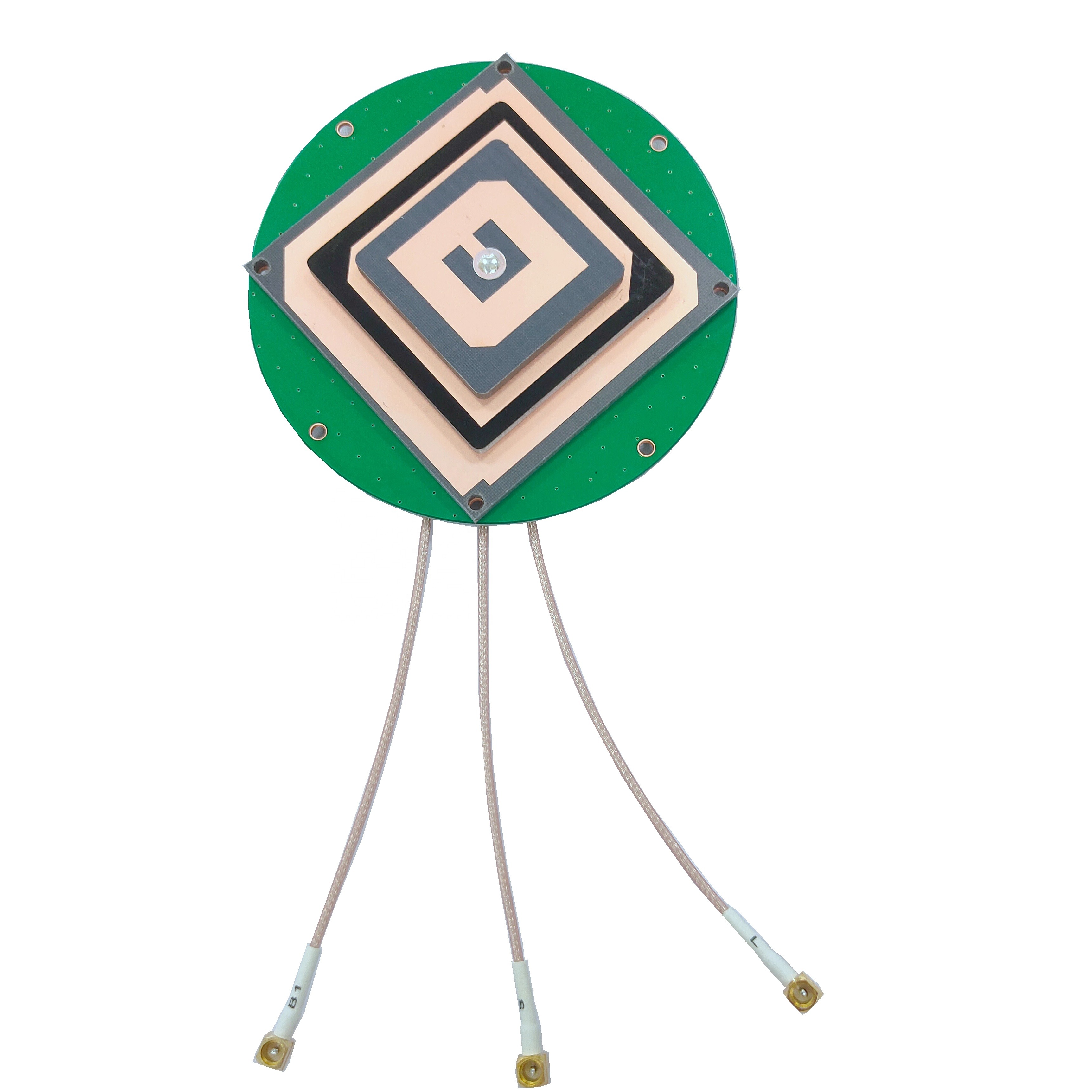
Compact stacked patch GNSS antennas have become the gold standard for modern highprecision satellite positioning systems, delivering miniaturized form factors, multiband compatibility, and stable signal performance for spaceconstrained industrial, consumer, and automotive GNSS devices
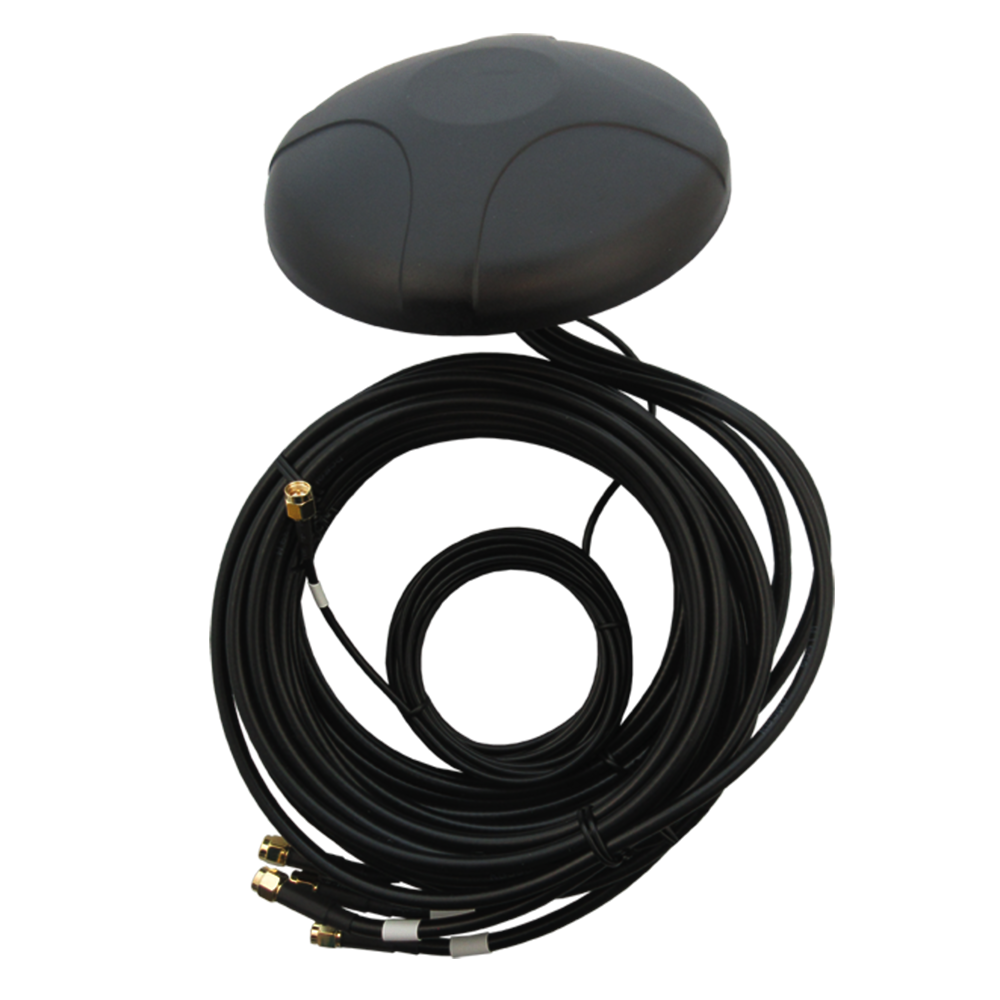
In the rapidly evolving landscape of wireless communication, the demand for antennas capable of operating across multiple frequency bands within a compact form factor has never been greater. The dual band stacked patch antenna has emerged as a leading solution to this challenge, offering a unique combination of multifrequency operation, high gain, and low profile that traditional singleband patch antennas cannot match.
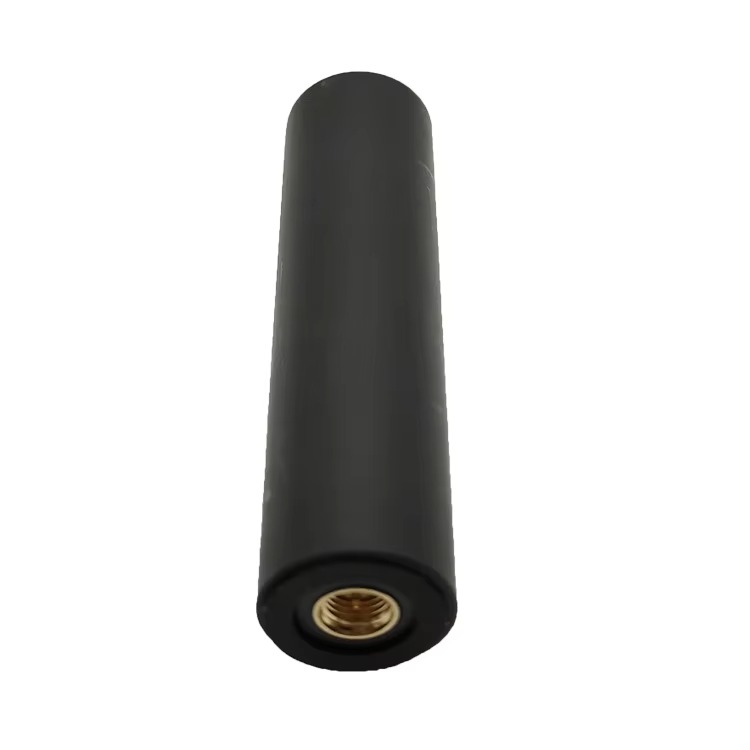
The L1 L5 stacked patch antenna has emerged as the goldstandard RF solution for modern highprecision GNSS (Global Navigation Satellite System) positioning and navigation systems. As dualband circularly polarized antennas engineered to operate simultaneously on GPS L1 (1575.42 MHz) and L5 (1176.45 MHz) frequency bands, stacked patch architectures resolve the core limitations of singleband GNSS antennas, delivering superior accuracy, signal stability, and antiinterference performanc
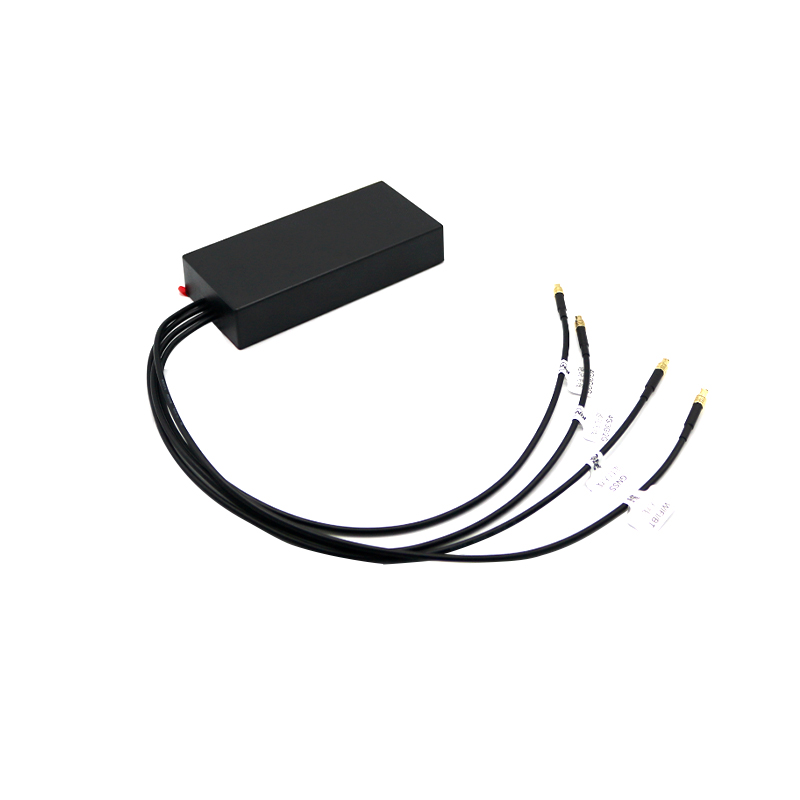
In an era defined by autonomous vehicles, drone delivery networks, precision agriculture, and smart transportation infrastructure, the ability to maintain accurate positioning at high speeds has become a critical engineering challenge.
In the era of smart vehicles, connected cars, and autonomous driving, reliable highspeed wireless connectivity is no longer an optional feature but a core operational requirement. Among all vehicle communication components, the automotive MIMO combo antenna stands out as a critical hardware solution that integrates multiband, multiprotocol wireless reception and transmission into a single compact device.
Lucy Yang | lucy.y@toxutech.com
Dotty Zhao | sales04@toxutech.com
Global Business Director / Sales Team / Global Operations


 En
En Cn
Cn Korean
 Home >