

-
Products -PCBA Manufacturing RF Connectors RF Cable Assemblys Embedded Antennas External Antennas GNSS Positioning Solutions
RF Connectors

RF Cable Assemblys
Embedded Antennas
External Antennas
GNSS Positioning Solutions































 Language


Language


Time:2026-10-16 Views:0
SMA bulkhead RF harness is one of the most widely used coaxial cable assemblies in modern radio frequency communication systems, industrial IoT devices, wireless networking equipment, and test measurement instruments. As a customized panel-mount RF wiring solution, it integrates SMA bulkhead feed-through connectors, high-precision coaxial cables, and stable terminal structures to deliver low-loss signal transmission, reliable environmental sealing, and durable mechanical performance. Whether you are building 4G/5G base station equipment, drone wireless modules, GPS/GNSS antenna systems, or laboratory RF test setups, a high-quality SMA bulkhead RF harness ensures consistent RF signal integrity while simplifying enclosure wiring and equipment assembly.
In this comprehensive SEO guide, we dive deep into everything about SMA bulkhead RF harnesses, including core definitions, structural components, key technical specifications, working principles, industry applications, selection criteria, installation best practices, maintenance tips, and frequently asked questions. This article is optimized for top Google search keywords such as SMA bulkhead RF harness, SMA panel mount RF cable assembly, low loss SMA bulkhead wiring, and waterproof SMA RF harness, helping engineers, procurement specialists, and technical researchers obtain authoritative and practical product knowledge.
1. What Is an SMA Bulkhead RF Harness?
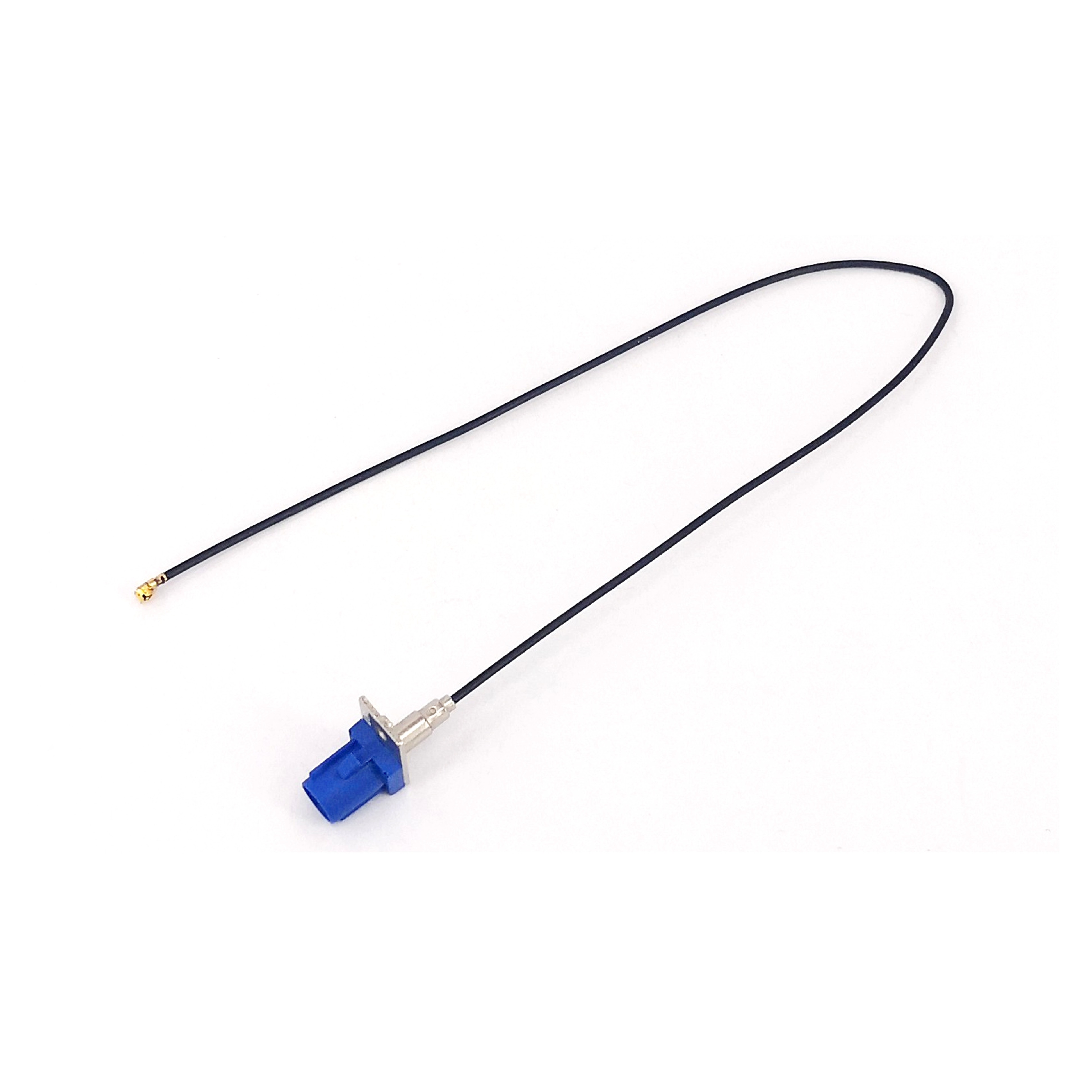
An SMA bulkhead RF harness refers to a complete coaxial cable assembly that features an SMA bulkhead (feed-through) panel-mount connector on one or both ends, paired with standard RF coaxial cables and customized wire harness structures. Unlike ordinary SMA jumper cables, it is specially designed for penetrating equipment enclosures, chassis panels, and device housings, realizing seamless internal and external RF signal transmission.
The core difference between a common SMA RF cable and an SMA bulkhead RF harness lies in its panel fixation and sealing design. The bulkhead connector is fixed on the equipment panel through a hex nut and washer structure, with a built-in silicone O-ring to form a dustproof and waterproof seal. This structural design isolates internal circuit modules from external harsh environments, avoiding signal interference, dust erosion, and moisture penetration that affect RF system stability.
Standard SMA bulkhead RF harnesses adopt a 50-ohm impedance matching design, which is the universal standard for civilian and industrial wireless RF systems. It supports wide-frequency signal transmission from DC to 6GHz, and high-precision customized models can extend the frequency range up to 26.5GHz, fully meeting the performance requirements of high-frequency wireless communication and precision test scenarios.
2. Core Components of SMA Bulkhead RF Harness
A high-performance SMA bulkhead RF harness is composed of three core parts: SMA bulkhead connector, high-quality coaxial cable, and integrated harness accessory components. Each part determines the overall electrical performance, mechanical durability, and environmental adaptability of the assembly.
2.1 SMA Bulkhead Feed-Through Connector
The SMA bulkhead connector is the core functional component of the entire harness, mainly divided into female bulkhead jack and male bulkhead plug types, including standard SMA and RP-SMA reverse polarity models to adapt to different equipment interface standards. Its key structural parts include threaded barrel, central conductive pin, insulating medium, hex fixing nut, metal washer, and waterproof O-ring.
The threaded coupling structure (1/4-36 UNS standard thread) ensures stable locking connection, effectively preventing signal interruption caused by loose interfaces during equipment vibration and movement. Gold-plated conductive pins and shells are adopted in mainstream products to reduce contact resistance, resist oxidation and corrosion, and extend the service life of frequent plugging and unplugging. According to panel thickness requirements, bulkhead connectors with different thread lengths (7mm, 8.5mm, 10mm, 13mm) are available to ensure sufficient thread engagement and reliable fixation.
2.2 High-Precision Coaxial Cable
The coaxial cable is the signal transmission carrier of the SMA bulkhead RF harness, directly determining the insertion loss, signal stability, and bending resistance of the harness. Common cable models include RG174, RG316, RG58, RG142, and ultra-thin micro-coaxial cables, each with unique application scenarios:
RG174 Cable: Ultra-light and flexible, small bending radius, suitable for compact equipment such as drones, mini IoT devices, and portable test instruments, ideal for short-distance signal transmission
RG316 Cable: Low loss, high temperature resistance, radiation resistance, suitable for industrial equipment, vehicle-mounted communication systems, and outdoor wireless devices with harsh working conditions
RG58 Cable: Stable electrical performance, moderate loss, cost-effective, widely used in 2.4G/5G wireless network equipment, base station terminals, and conventional RF test systems
Ultra-thin Micro-coaxial Cable: Used for ultra-compact precision equipment such as wearable wireless devices and miniaturized communication modules
2.3 Harness Auxiliary Accessories
Complete SMA bulkhead RF harnesses are equipped with professional supporting accessories, including waterproof gaskets, insulating sleeves, fixing buckles, and strain relief structures. The strain relief design effectively disperses the tension generated by cable pulling and bending, avoiding core wire breakage and signal failure caused by long-term mechanical stress. The waterproof O-ring and sealing washer form an IP67-level waterproof and dustproof effect after installation, adapting to outdoor and industrial harsh environments.
3. Key Technical Specifications of SMA Bulkhead RF Harness
Technical parameters are the core basis for selecting SMA bulkhead RF harnesses. Reasonable parameter matching can maximize RF system performance and avoid signal attenuation, reflection, and interference problems. The mainstream industry standard specifications are summarized as follows:
Characteristic Impedance: 50Ω (universal standard for RF communication systems, ensuring impedance matching with antennas, modules, and test equipment)
Frequency Range: Standard version DC-6GHz, high-precision version DC-26.5GHz, covering 2.4G WiFi, 5G LTE, GPS, Bluetooth, and industrial RF frequency bands
VSWR (Voltage Standing Wave Ratio) ≤1.15 (low standing wave ratio, minimal signal reflection, ensuring efficient signal transmission)
Insertion Loss: ≤0.15dB@6GHz, ultra-low loss design, reducing signal attenuation during long-distance transmission
Mechanical Durability: More than 500 plugging cycles, stable performance after repeated use
Insulation Resistance: ≥5000MΩ, excellent insulation performance, avoiding current leakage and signal crosstalk
Working Temperature: -40℃ to +85℃, adapting to extreme low and high temperature environments of industrial and outdoor equipment
Protection Level: IP67 waterproof and dustproof after standard installation, resistant to rain, dust, and humid environment erosion
Panel Adaptability: Suitable for 1mm-10mm thick equipment panels, compatible with aluminum alloy, ABS, and metal chassis materials
4. Unique Advantages of SMA Bulkhead RF Harness
Compared with ordinary RF jumper cables, terminal wiring, and other connector assembly solutions, SMA bulkhead RF harnesses have irreplaceable advantages in industrial and commercial wireless equipment wiring, becoming the preferred solution for RF system integration:
4.1 Stable Signal Transmission & Low Loss Performance
The SMA bulkhead RF harness adopts integrated molding process and precise impedance matching design. The gold-plated connector interface and high-purity copper core cable effectively reduce signal loss and contact resistance. The overall shielding structure avoids external electromagnetic interference, ensuring the integrity and stability of RF signals in high-frequency transmission. Compared with discrete connector wiring, the integrated harness has no intermediate connection gaps, completely eliminating signal attenuation and interference caused by loose docking.
4.2 Reliable Environmental Sealing & Durability
The bulkhead panel fixation structure cooperates with silicone waterproof gaskets to achieve tight sealing of equipment chassis, effectively blocking external dust, moisture, and corrosive gases from entering the equipment interior. The threaded locking structure has strong vibration resistance, which can maintain stable connection in vibrating working environments such as vehicle-mounted, airborne, and industrial equipment. High-temperature and corrosion-resistant cable materials ensure long-term stable operation in extreme environments.
4.3 Simplified Equipment Assembly & Maintenance
The integrated harness design realizes one-time installation and molding, avoiding the complex operation of separate welding and assembly of connectors and cables on site. The standardized panel mounting structure is convenient for batch production and assembly of equipment, greatly improving production efficiency. In later equipment maintenance and debugging, the bulkhead interface can directly plug and unplug external antennas and test equipment without disassembling the internal wiring, reducing maintenance difficulty.
4.4 Strong Compatibility & Customization
Standard SMA bulkhead RF harnesses are compatible with almost all 50-ohm RF wireless equipment on the market, including WiFi modules, 4G/5G antennas, GPS positioning modules, SDR software radio, and test instruments. At the same time, it supports personalized customization of cable length, wire gauge, connector type, bending radius, and special environmental resistance parameters, meeting the differentiated wiring needs of various special equipment and scenarios.
5. Main Industry Applications of SMA Bulkhead RF Harness
With its excellent RF performance and stable structural design, SMA bulkhead RF harnesses are widely used in civil commercial, industrial, communication, and precision test fields, covering almost all equipment that requires high-frequency RF signal transmission and panel wiring.
5.1 Wireless Network & Communication Equipment
This is the most mainstream application scenario of SMA bulkhead RF harnesses. They are used in WiFi routers, wireless APs, 4G/5G CPE equipment, signal repeaters, and small base station terminals. The bulkhead wiring mode realizes the separation of internal circuit modules and external antennas, ensuring stable wireless signal transmission while protecting internal precision circuits from external environmental damage. The low-loss performance effectively improves wireless signal coverage and penetration, optimizing network communication quality.
5.2 Drone & Portable Wireless Devices
Miniaturized and flexible SMA bulkhead RF harnesses (RG174 cable type) are widely used in consumer and industrial drones, wearable wireless devices, and portable detection instruments. The ultra-light and small-bending design adapts to the compact internal space of drones, avoiding wiring damage during flight vibration and attitude change. The stable signal transmission ensures real-time and anti-interference remote control signal and image transmission of drones.
5.3 GPS/GNSS Positioning & Vehicle-Mounted Systems
Vehicle-mounted navigation equipment, automobile wireless communication modules, and GNSS positioning terminals all rely on SMA bulkhead RF harnesses to connect external positioning antennas. The IP67 waterproof and dustproof design adapts to complex vehicle working environments such as outdoor exposure, vibration, and temperature change. The low-loss high-frequency performance ensures high-precision positioning signal reception, avoiding positioning deviation and signal drift caused by signal attenuation.
5.4 RF Test & Measurement Instruments
In laboratory RF testing, signal analysis, and equipment calibration scenarios, SMA bulkhead RF harnesses are used as fixed panel signal transmission lines for test equipment such as spectrum analyzers, signal generators, and network analyzers. The ultra-low VSWR and low-loss performance ensure the accuracy of test data, avoiding test errors caused by harness signal interference and attenuation. The durable plugging performance adapts to frequent debugging and test work in laboratories.
5.5 Industrial IoT & Smart Device Systems
Industrial wireless sensors, smart monitoring equipment, and IoT communication terminals use SMA bulkhead RF harnesses for antenna wiring and signal transmission. The industrial-grade temperature resistance, vibration resistance, and sealing performance adapt to harsh industrial environments such as factory high temperature, dust, and humidity, ensuring long-term stable operation of industrial wireless monitoring and data transmission systems.
6. How to Select the Right SMA Bulkhead RF Harness? (Complete Selection Guide)
Many engineers encounter problems such as poor signal stability, difficult installation, and short service life after purchasing SMA bulkhead RF harnesses, mostly due to unreasonable model selection. The following is a systematic selection method based on application scenarios, equipment parameters, and environmental requirements:
6.1 Confirm Connector Type & Polarity
First, confirm the equipment interface type, distinguish standard SMA and RP-SMA reverse polarity connectors. Standard SMA is suitable for most communication test equipment, while RP-SMA is mostly used for civilian WiFi routers and wireless modules. At the same time, select male or female bulkhead connectors according to the docking antenna and equipment interface to avoid plugging mismatch.
6.2 Match Cable Model & Length
Select cables according to equipment space and signal loss requirements: RG174 for compact mini equipment and short-distance wiring; RG316 for high-temperature and harsh industrial environments; RG58 for conventional communication equipment and medium-distance transmission. The cable length should reserve a reasonable margin on the basis of actual wiring distance, avoiding excessive cable bending causing increased loss or insufficient length affecting installation.
6.3 Adapt Panel Thickness & Thread Length
Different equipment chassis panels have different thicknesses, which must be matched with the corresponding bulkhead thread length. For conventional 1-2mm thin aluminum alloy and ABS panels, standard 6-8mm thread bulkheads are sufficient; for thick panels with gaskets and multi-layer structural plates, select 10-13mm long-thread bulkheads to ensure full thread engagement and firm fixation, preventing loose interfaces.
6.4 Determine Environmental Protection Grade
Indoor conventional equipment can choose ordinary dustproof bulkhead harnesses; outdoor exposed equipment, vehicle-mounted equipment, and industrial field equipment must choose IP67 waterproof and dustproof models with complete sealing gaskets to resist rain erosion, dust accumulation, and humid air oxidation.
6.5 Verify Electrical Parameter Matching
Ensure that the harness impedance (50Ω standard), frequency range, and VSWR parameters match the equipment working frequency. High-frequency equipment above 6GHz must choose high-precision low-loss harnesses to avoid excessive signal reflection and attenuation affecting equipment performance.
7. Standard Installation Steps & Best Practices
Even high-quality SMA bulkhead RF harnesses will have performance degradation due to irregular installation. Standard installation steps and operation specifications are as follows:
1. Panel Hole Drilling: Drill standard mounting holes according to the bulkhead connector outer diameter, ensure smooth hole wall without burrs, avoid scratching the connector shell and sealing gasket
2. Component Assembly: Pass the bulkhead connector from the equipment inner side through the panel hole, sleeve the washer and O-ring in sequence, and screw the fixing nut from the outer side
3. Locking & Sealing: Evenly tighten the nut to compress the O-ring to form a fully sealed state; avoid over-tightening causing gasket damage and thread sliding, or loose tightening leading to poor sealing
4. Internal Wiring Fixation: Fix the internal cable with a strain relief structure and fixing buckle to avoid long-term tension and bending fatigue of the cable root
5. Performance Test: After installation, use a network analyzer to test VSWR and insertion loss to confirm no signal abnormality, and check the sealing and firmness of the interface
Installation taboo: Do not pull the cable hard to drive the connector rotation; do not install in a distorted and squeezed state; do not use inferior gaskets and accessories to avoid sealing failure and signal interference.
8. Daily Maintenance & Fault Troubleshooting
Scientific maintenance can effectively extend the service life of SMA bulkhead RF harnesses and maintain stable RF system performance. Common maintenance methods and fault solutions are sorted out below:
8.1 Daily Maintenance Tips
Regularly clean the connector interface dust and dirt with clean alcohol cotton cloth to avoid poor contact caused by dust accumulation
Check the nut tightness and sealing gasket integrity regularly for outdoor and industrial equipment to prevent water and dust ingress
Avoid long-term extreme bending, extrusion, and stretching of the cable to prevent internal core wire breakage and shielding layer damage
Avoid frequent blind plugging and unplugging to reduce interface wear and ensure long-term plugging accuracy
8.2 Common Faults & Solutions
Weak Wireless Signal & Increased Loss: Mostly caused by loose interface, dirty contact, or excessive cable bending. Solution: Retighten the nut, clean the interface, and straighten the cable wiring
Signal Interference & Unstable Transmission: Caused by damaged shielding layer or poor grounding. Solution: Check cable integrity and equipment grounding performance, replace damaged harnesses in time
Water Ingress & Chassis Humidity: Sealing gasket aging or incomplete installation. Solution: Replace the waterproof O-ring and reinstall and lock the interface
Interface Loose & Poor Contact: Thread wear or insufficient tightening. Solution: Replace the bulkhead connector or secondary locking and fix
9. Frequently Asked Questions (FAQ) About SMA Bulkhead RF Harness
Q1: What is the difference between SMA bulkhead RF harness and ordinary SMA jumper cable?
The core difference is the panel mounting and sealing structure. Ordinary SMA jumpers are only used for temporary equipment docking and internal wiring without fixing and sealing functions. SMA bulkhead RF harnesses support chassis panel penetration and fixed installation, with waterproof and dustproof sealing performance, realizing long-term stable internal and external signal transmission of equipment, suitable for permanent equipment assembly.
Q2: Can SMA bulkhead RF harnesses be used for 5G signal transmission?
Yes. Standard SMA bulkhead RF harnesses support DC-6GHz frequency range, covering mainstream 5G low and medium frequency bands. High-precision customized models can reach 26.5GHz, fully meeting the high-frequency transmission requirements of 5G millimeter-wave equipment, and are widely used in 5G small base stations and terminal equipment wiring.
Q3: Is 50-ohm impedance universal for all SMA bulkhead harnesses?
Yes. Almost all commercial and industrial SMA bulkhead RF harnesses adopt 50-ohm impedance matching, which is the unified standard for RF communication systems. Individual special test equipment uses 75-ohm impedance products, which need to be customized separately. Daily communication and wireless equipment all use 50-ohm standard products.
Q4: How to choose between SMA and RP-SMA bulkhead harness?
It depends on the equipment interface standard. RP-SMA is mainly used for civilian WiFi, Bluetooth, and household wireless equipment, with reverse internal and external conductors. Standard SMA is used for industrial communication, base station equipment, and test instruments. The two cannot be plugged and replaced randomly, so the polarity must be confirmed before purchase.
Q5: How long is the service life of SMA bulkhead RF harness?
Under normal indoor use, the service life can reach more than 5 years with more than 500 stable plugging cycles. In outdoor and industrial harsh environments, the service life is about 2-3 years. Regular maintenance and avoiding violent operation can effectively extend the service life.
The SMA bulkhead RF harness is an indispensable core wiring component in modern RF wireless systems. Its integrated design of low-loss signal transmission, panel fixed installation, and environmental sealing solves many pain points such as unstable signal, difficult assembly, and poor environmental adaptability in traditional RF wiring. From civilian wireless network equipment, drones, and vehicle-mounted positioning systems to industrial IoT and precision test instruments, it provides reliable and efficient signal transmission guarantee for various RF scenarios.
When selecting and using SMA bulkhead RF harnesses, it is necessary to comprehensively consider connector type, cable specification, panel matching, and environmental adaptability, and standardize installation and maintenance to maximize product performance. With the continuous development of 5G communication, industrial Internet, and drone technology, SMA bulkhead RF harnesses, as mature and stable RF wiring solutions, will be more widely used in more emerging technical fields.
Lucy Yang | lucy.y@toxutech.com
Dotty Zhao | sales04@toxutech.com
Global Business Director / Sales Team / Global Operations


 En
En Cn
Cn Korean
 Home >