

-
Products -PCBA Manufacturing RF Connectors RF Cable Assemblys Embedded Antennas External Antennas GNSS Positioning Solutions
RF Connectors

RF Cable Assemblys
Embedded Antennas
External Antennas
GNSS Positioning Solutions































 Language


Language


Time:2026-10-15 Views:0
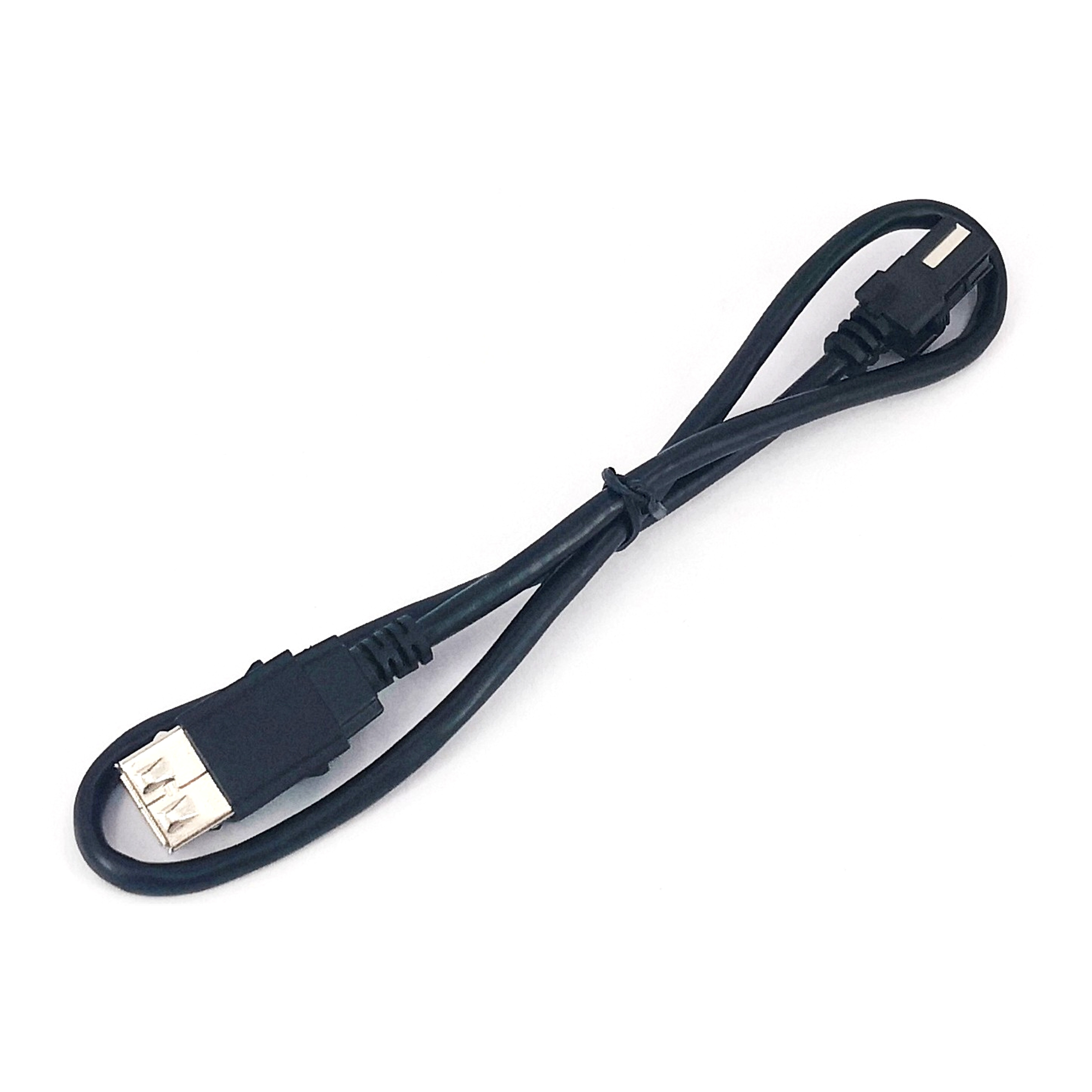
Miniature U.FL SMA cables are essential highfrequency coaxial jumper cables designed for compact radio frequency (RF) connectivity in modern wireless electronic devices. Also widely known as U.FL to SMA pigtail cables, IPEX SMA miniature cables, or micro RF coaxial cables, these versatile components bridge the gap between miniature onboard U.FL (IPEX) connectors and standard SMA antenna ports, delivering stable signal transmission in spaceconstrained electronic environments. As wireless technology continues to miniaturize and highspeed communication standards evolve, miniature U.FL SMA cables have become indispensable accessories for WiFi routers, IoT devices, industrial wireless modules, drone communication systems, and embedded electronic equipment. This comprehensive SEO guide covers everything you need to know about miniature U.FL SMA cables, including core specifications, structural features, performance advantages, application scenarios, selection criteria, installation guidelines, and frequently asked questions to help engineers, tech enthusiasts, and procurement professionals make informed purchasing and deployment decisions.
1. What Is a Miniature U.FL SMA Cable?
A miniature U.FL SMA cable is a shortform coaxial cable assembly featuring a miniature U.FL (IPEX) male connector on one end and a standard SMA (SubMiniature version A) connector on the other end. Manufactured per Hirose U.FL industry standards and SMA RF connector specifications, this cable type is engineered specifically for lowpower, highfrequency RF signal transmission in compact electronic hardware. Unlike bulky standard RF cables, miniature U.FL SMA cables adopt ultrathin coaxial wire gauges and microsized connectors, making them the optimal solution for internal device antenna wiring and shortdistance RF signal extension.
The U.FL connector, also labeled as IPEX connector in mainstream electronic markets, is a microminiature RF connector developed by Hirose Electric. It features an ultracompact size, low profile, and surfacemount design, exclusively used for onboard RF interfaces on wireless modules, circuit boards, and mini PCIe cards. In contrast, the SMA connector is a universal standard RF connector widely applied in external antennas, wireless devices, and communication equipment, supporting easy plugandplay installation and stable mechanical connection. The miniature U.FL SMA cable perfectly connects internal micro RF interfaces with external standard antenna ports, solving the compatibility gap between miniature onboard sockets and conventional external antenna connectors.
Common aliases for this product in global commercial markets include miniature IPEX SMA cable, U.FL SMA pigtail cable, micro U.FL RF cable, and compact SMA U.FL jumper cable. These highsearchvolume keywords are consistently associated with the core product features, making this cable one of the most searched RF accessory products in the wireless communication industry.
2. Core Structural Components & Technical Specifications
The performance of a miniature U.FL SMA cable is determined by its internal structure, cable material, connector craftsmanship, and impedance parameters. Highquality miniature U.FL SMA cables adopt standardized coaxial structure design, consisting of four core layers: inner conductor, dielectric insulation layer, shielding layer, and outer protective sheath. Each component is precisely engineered to minimize signal loss, resist electromagnetic interference, and ensure longterm stability in highfrequency working environments.
2.1 Connector Structure & Features
Miniature U.FL (IPEX) Connector End: The U.FL terminal is the core miniature component of the cable, with an ultrasmall footprint of only 3.0mm × 3.0mm and a low installation height of 1.4mm. It adopts a snapon locking structure, enabling quick and firm connection with onboard U.FL female sockets. The connector is made of highprecision brass plating with goldplated pins, which effectively reduces contact resistance, enhances conductivity, and prevents oxidation and signal attenuation during longterm use. The miniature design allows it to be embedded in ultrathin and miniaturized electronic devices without occupying excessive internal space, which is irreplaceable for compact IoT hardware and portable wireless devices.
SMA Connector End: The SMA terminal follows international standard RF connector specifications, available in male and female types, including standard SMA and reverse polarity RPSMA versions. The threaded locking structure ensures tight connection with external antennas, avoiding signal interruption caused by loose contact during device movement or vibration. The SMA connector is made of corrosionresistant brass with nickel or gold plating, featuring strong mechanical durability, repeated plugging resistance, and excellent environmental adaptability.
2.2 Cable Body Specifications
Most mainstream miniature U.FL SMA cables use RG178 ultrathin coaxial cable as the core wire body, which is the most classic and widely applicable specification for micro RF jumper cables. Individual customized models adopt RG174 or RG316 cables to meet different loss and flexibility requirements. The core cable parameters are as follows:
Characteristic Impedance: 50 Ohm (standard universal RF impedance, compatible with all WiFi, Bluetooth, 4G, 5G, and industrial RF modules)
Cable Outer Diameter: 1.8mm–2.0mm, ultrathin and highly flexible, easy to bend and route in narrow device interiors
Working Frequency Range: DC – 6GHz, fully covering 2.4GHz WiFi, 5GHz dualband WiFi, Bluetooth, Zigbee, 4G LTE, and partial 5G lowfrequency communication bands
Signal Loss: Low attenuation design, only 0.3dB–0.5dB loss per 10cm at 5GHz frequency, ensuring highfidelity signal transmission
Shielding Performance: Doublelayer shielding structure (braided copper mesh + aluminum foil shielding), effectively resisting external electromagnetic interference and preventing internal signal leakage
Sheath Material: Highquality PVC or FEP flameretardant material, wearresistant, corrosionresistant, hightemperature resistant, and compliant with international environmental protection standards
2.3 Common Size Specifications
Miniature U.FL SMA cables support diversified customized lengths to adapt to different internal wiring distances of devices. The most common mainstream sizes in the market include 5cm, 10cm, 15cm, 20cm, 30cm, and 50cm. Shortlength cables (5cm–20cm) are suitable for internal fixed wiring of routers, wireless network cards, and small IoT modules, while longlength cables (30cm–50cm) are used for antenna extension and longdistance internal wiring of industrial equipment. All sizes maintain ultraflexible performance, without hard bending or wire breakage during installation.
3. Key Advantages of Miniature U.FL SMA Cables
Compared with traditional largesize RF coaxial cables and ordinary adapter wires, miniature U.FL SMA cables have unique competitive advantages in size, performance, compatibility, and durability, making them the preferred choice for modern miniature wireless device wiring.
3.1 UltraCompact & High Flexibility
The biggest core advantage of miniature U.FL SMA cables is their microminiature overall size and excellent bending performance. The ultrathin cable body and micro U.FL connector can adapt to the extremely narrow internal space of portable electronic devices, wearable devices, and mini embedded modules. Unlike ordinary thick RF cables that are difficult to bend and occupy large space, this cable can be bent at multiple angles and routed freely without affecting the internal structural layout of the device, perfectly matching the miniaturization development trend of modern electronic products.
3.2 Low Signal Loss & Strong AntiInterference Ability
Adopting professional 50ohm impedance matching design and doublelayer full shielding structure, miniature U.FL SMA cables effectively reduce highfrequency signal attenuation and electromagnetic crosstalk. In 2.4GHz and 5GHz dualband WiFi communication scenarios, the cable maintains extremely low signal loss, ensuring stable wireless transmission speed and no signal drop. The complete shielding system also isolates external electromagnetic interference from power supplies, circuits, and other electronic components, greatly improving the antiinterference ability of wireless signals and guaranteeing the stability of longterm communication work.
3.3 Wide Compatibility & Universal Applicability
Miniature U.FL SMA cables are compatible with almost all mainstream wireless modules and antenna devices on the market. They support mini PCIe wireless network cards, M.2 WiFi modules, Bluetooth modules, Zigbee wireless sensing modules, 4G/5G industrial communication modules, drone flight control communication modules, and smart home wireless devices. The standard SMA interface is universally compatible with all SMA external antennas, including omnidirectional antennas, directional highgain antennas, and waterproof outdoor antennas, realizing onecable multiscene application.
3.4 Durable & CostEffective
Highquality miniature U.FL SMA cables adopt goldplated connectors and highstrength coaxial wire cores, with excellent plugging resistance and aging resistance. The connectors can withstand more than 1000 times of repeated plugging and unplugging without poor contact, and the cable body is not easy to break or age after longterm bending and use. Meanwhile, compared with customized highend RF cables, standardized miniature U.FL SMA cables have lower cost, higher cost performance, and easier mass procurement, which is very suitable for batch production of electronic products and largescale engineering deployment.
4. Main Application Scenarios of Miniature U.FL SMA Cables
With the rapid development of IoT, smart home, industrial Internet, and wireless communication technology, the application scope of miniature U.FL SMA cables is becoming increasingly extensive. It covers consumer electronics, industrial equipment, intelligent hardware, aerospace communication, and other fields, and is the core connecting component of shortdistance wireless signal transmission.
4.1 Consumer Electronic Wireless Devices
In consumer electronics, miniature U.FL SMA cables are widely used in WiFi routers, wireless network cards, desktop computer builtin WiFi modules, Bluetooth audio equipment, and portable smart devices. Most miniaturized router motherboards are equipped with U.FL onboard sockets, which need miniature U.FL SMA cables to connect external highgain SMA antennas to enhance WiFi signal coverage and transmission stability. For desktop mini PCIe and M.2 wireless network cards, this cable is a necessary adapter wire to realize external antenna connection, solving the problem of weak builtin antenna signal of network cards and effectively improving wireless network speed and stability.
4.2 IoT & Smart Home Hardware
A large number of miniature wireless communication modules are used in smart home and IoT devices, including smart door locks, wireless sensors, smart cameras, Bluetooth gateways, and Zigbee smart terminals. These compact IoT modules mostly adopt U.FL micro interfaces to save board space, and miniature U.FL SMA cables are used to connect external antennas, improving the wireless signal receiving and transmitting ability of devices. The ultrathin and flexible features of the cable adapt to the ultrathin shell design of smart home devices, realizing hidden wiring without affecting the overall appearance and structural design of the equipment.
4.3 Industrial Wireless Communication Equipment
In the industrial field, miniature U.FL SMA cables are applied to industrial wireless routers, industrial 4G/5G DTU modules, wireless data transmission terminals, and industrial sensing communication equipment. Industrial equipment requires high stability and antiinterference performance of signals. The doublelayer shielding design of miniature U.FL SMA cables can resist complex electromagnetic interference in industrial environments, ensuring stable data transmission of industrial wireless equipment. At the same time, the high and low temperature resistance of the cable sheath adapts to harsh industrial working environments, meeting the longterm continuous operation requirements of industrial equipment.
4.4 Drones & Portable Communication Devices
Drone flight control modules and wireless image transmission modules mostly use miniature U.FL interfaces to reduce equipment weight and volume. Miniature U.FL SMA cables connect drone internal communication modules with external highgain antennas, improving the remote control distance and image transmission stability of drones. In addition, this cable is also used in portable walkietalkies, handheld communication terminals, and mini signal transmission equipment, relying on its small size and high flexibility to meet the lightweight design requirements of portable devices.
4.5 Vehicle & Smart Transportation Equipment
With the development of intelligent vehicle technology, vehicle WiFi, vehicle Bluetooth, and vehicle wireless sensing systems have been widely popularized. Vehiclemounted wireless modules adopt miniaturized design, and miniature U.FL SMA cables are used for internal antenna wiring. The cable has excellent vibration resistance and aging resistance, adapting to the bumpy working environment of vehicles, ensuring stable transmission of vehicle wireless signals, and providing reliable support for intelligent vehicle communication systems.
5. How to Choose the Right Miniature U.FL SMA Cable? (Professional Selection Guide)
There are many types of miniature U.FL SMA cables on the market, and improper selection will lead to poor signal transmission, unstable connection, or inability to install and use. The following core selection factors can help you accurately match the most suitable product for your application scenario.
5.1 Confirm Connector Polarity & Type
The first selection step is to confirm the SMA connector type, distinguishing standard SMA and RPSMA (reverse polarity SMA). Standard SMA connectors are used for professional communication equipment, while RPSMA is more common in civilian WiFi devices and routers. The wrong polarity will lead to inability to plug in and connect. Meanwhile, confirm the male and female matching: most scenarios use U.FL male to SMA female cables, which is the most universal specification for connecting external antennas. Special equipment needs to select U.FL male to SMA male cables according to the interface situation.
5.2 Select Appropriate Cable Length
On the premise of meeting wiring requirements, prioritize shortlength cables. The longer the coaxial cable, the higher the highfrequency signal loss. For shortdistance wiring inside routers and network cards, 5cm–15cm cables are recommended to minimize signal attenuation. For antenna extension scenarios requiring longdistance wiring, select 20cm–50cm cables, and choose highquality lowloss RG316 cables to offset longdistance signal loss.
5.3 Focus on Cable Material & Shielding Performance
For ordinary civilian scenarios such as home routers and smart home devices, conventional RG178 doublelayer shielding cables can meet the demand. For industrial equipment, highfrequency 5G communication, and longdistance transmission scenarios, it is recommended to select highgrade RG316 cables with enhanced shielding and lower loss. Prioritize products with goldplated connectors and FEP hightemperature resistant sheaths, which have better oxidation resistance and stability and longer service life.
5.4 Check Flexibility & Bending Resistance
For devices requiring frequent bending and mobile wiring such as drones and portable devices, select highflexibility miniature U.FL SMA cables with fine braided inner conductors, which are not easy to break after repeated bending. For fixed internal wiring of industrial equipment and household devices, conventional flexible cables can meet the usage requirements.
6. Standard Installation Steps & Precautions
Correct installation of miniature U.FL SMA cables directly affects signal transmission effect and equipment service life. Improper operation may cause connector damage, poor contact, or increased signal loss. The following standardized installation steps and precautions are summarized for professional reference.
6.1 Installation Steps
First, power off the electronic equipment to avoid short circuit and interface damage caused by live operation. Second, align the miniature U.FL male connector with the onboard U.FL female socket, press vertically and firmly until a clear "click" sound is heard, indicating that the snapon locking structure is completely engaged and the connection is firm. Third, route the cable body along the internal gap of the device, avoid sharp bending and excessive stretching, and fix the cable with cable ties if necessary. Finally, align the SMA connector with the external antenna interface, screw the threaded port tightly to ensure no loose gap, and complete the installation.
6.2 Key Precautions
Do not pull the cable violently when plugging and unplugging the U.FL connector to avoid tearing the onboard solder joint and damaging the module interface. Do not bend the cable at a right angle or fold it repeatedly, which will damage the internal coaxial structure and increase signal loss. Avoid arranging the cable together with power lines and highfrequency circuit lines to prevent electromagnetic interference. Regularly check the connector tightness during longterm use to avoid signal instability caused by loose contact.
7. Common FAQs About Miniature U.FL SMA Cables
To solve the common doubts of users in the process of purchase and use, we have sorted out the most frequently asked questions and professional answers in the industry.
7.1 Are U.FL and IPEX connectors the same?
Yes, U.FL and IPEX are the same type of miniature RF connector. U.FL is the official model name of Hirose, and IPEX is the common market name. The two are completely compatible in size, structure, and performance, and can be used interchangeably without adaptation issues.
7.2 Will longer miniature U.FL SMA cables affect signal speed?
Longer cables will produce slight highfrequency signal loss, but within 50cm length, the loss is extremely low and basically imperceptible in daily use. Only in professional highprecision communication scenarios will the length loss need to be strictly calculated. Ordinary household and industrial use will not be affected.
7.3 Can miniature U.FL SMA cables be used for 5G communication?
Standard miniature U.FL SMA cables support DC6GHz frequency band, which can fully cover 5G low and medium frequency bands, and can be used for 5G module antenna connection. For highfrequency 5G millimeter wave scenarios, highprecision lowloss customized cables are required.
7.4 What is the service life of a miniature U.FL SMA cable?
Highquality industrialgrade cables have a service life of more than 5 years, with more than 1000 times of plugging resistance. Civilian conventional products can work stably for 3–5 years under normal use, with no aging or signal attenuation problems.
7.5 How to distinguish SMA and RPSMA connectors?
Standard SMA male connectors have external threads and internal pins, while RPSMA male connectors have external threads and internal holes. The two have different internal structures and cannot be interoperable, so users must confirm the type before purchasing.
8. Market Application Trends & Development Prospects
With the continuous upgrading of wireless communication technology from 4G to 5G and the largescale popularization of IoT, smart home, and industrial Internet of Things, the market demand for miniature U.FL SMA cables is maintaining steady growth. The electronic industry is increasingly pursuing miniaturization, lightweight, and high integration of equipment, which puts forward higher requirements for the volume, flexibility, and highfrequency performance of RF connecting cables. Miniature U.FL SMA cables, as the most mature and costeffective micro RF connecting solution, will be widely used in more emerging fields such as smart wearable devices, intelligent vehicle terminals, industrial wireless sensing, and loworbit communication equipment.
At the same time, with the continuous optimization of production technology, miniature U.FL SMA cables are developing towards lower loss, higher temperature resistance, stronger antiinterference, and more ultraminiaturization, which can adapt to higherfrequency and more precise wireless communication scenarios, and their market application prospects are very broad.
When purchasing miniature U.FL SMA cables, users should prioritize regular manufacturers’ products with complete quality certification, avoid lowcost inferior cables with thin conductors, poor shielding, and easy oxidation, so as to prevent problems such as poor signal stability and short service life. According to their own equipment interface type, wiring distance, and application scenario, reasonably select the cable length, wire gauge, and shielding grade. During use, standardize installation and wiring, avoid violent operation and harsh environment placement, so as to maximize the service life and signal transmission performance of the cable.
In summary, miniature U.FL SMA cables are core micro RF connecting components integrating miniaturization, high performance, wide compatibility, and high cost performance. They play an irreplaceable role in wireless signal transmission of various compact electronic devices, and are essential standard accessories for wireless communication equipment debugging, production, and assembly.
Lucy Yang | lucy.y@toxutech.com
Dotty Zhao | sales04@toxutech.com
Global Business Director / Sales Team / Global Operations


 En
En Cn
Cn Korean
 Home >