

-
Products -PCBA Manufacturing RF Connectors RF Cable Assemblys Embedded Antennas External Antennas GNSS Positioning Solutions
RF Connectors

RF Cable Assemblys
Embedded Antennas
External Antennas
GNSS Positioning Solutions































 Language


Language


Time:2026-10-16 Views:0
GPS BDS 4G antenna is a multi-functional combo antenna that integrates Global Positioning System (GPS), BeiDou Navigation Satellite System (BDS), and 4G LTE cellular communication functions into one compact unit. As a core component of modern IoT devices, vehicle tracking systems, smart industrial equipment, and outdoor monitoring devices, this hybrid antenna solves the dual demands of high-precision satellite positioning and stable 4G network data transmission. Compared with single-function GPS, BDS, or 4G antennas, the integrated GPS BDS 4G antenna features space-saving installation, lower wiring costs, stronger anti-interference performance, and wider environmental adaptability, making it the mainstream choice for global commercial and industrial intelligent hardware projects.
In the era of intelligent connectivity, most terminal devices require both real-time positioning and wireless data transmission capabilities. Traditional solutions that use separate GNSS positioning antennas and 4G communication antennas often face problems such as messy wiring, high installation difficulty, signal mutual interference, and increased equipment volume. The all-in-one GPS BDS 4G antenna perfectly optimizes these pain points, supporting dual-system satellite positioning and full-band 4G network reception simultaneously. This comprehensive guide will elaborate on the working principle, core features, technical parameters, application scenarios, selection criteria, installation skills, and maintenance methods of GPS BDS 4G antennas, helping global buyers, engineers, and technicians fully understand this essential connectivity component.
1. What Is a GPS BDS 4G Antenna? Core Definition & Working Principle
1.1 Basic Definition
A GPS BDS 4G antenna is a dual-band hybrid RF antenna designed for synchronous satellite positioning and cellular network communication. It supports full coverage of GPS (US global positioning system) and BDS (China BeiDou navigation satellite system) satellite frequency bands, as well as mainstream 4G LTE global frequency bands. Different from single GNSS antennas that only receive positioning signals and single 4G antennas that only undertake data transmission, the GPS BDS 4G combo antenna integrates two independent antenna modules inside a single housing, with isolated signal channels to avoid frequency crosstalk and signal attenuation.
Most high-quality GPS BDS 4G antennas adopt an active amplification design, built with low-noise amplifiers (LNA) to enhance weak satellite and cellular signals, ensuring stable signal reception in complex environments such as urban high-rise shielding, suburban open areas, and industrial workshops. With a standard 50Ω impedance matching design, it is compatible with most mainstream positioning modules and 4G communication modules on the market, realizing plug-and-play rapid deployment.
1.2 Working Principle
The working mechanism of the GPS BDS 4G antenna is divided into two independent and non-interfering parts: GNSS positioning signal reception and 4G LTE communication signal transceiving.
For the GPS & BDS positioning part: The antenna adopts right-hand circular polarization (RHCP) technology, which is the standard polarization method for satellite navigation signals. It efficiently captures low-power satellite signals from GPS L1 (1575.42MHz) and BDS B1/B2/B3 frequency bands. The built-in low-noise amplifier filters out environmental electromagnetic interference, amplifies effective satellite signals, and transmits them to the terminal’s positioning module. The module calculates accurate longitude, latitude, altitude, and speed data through satellite signal analysis, realizing real-time high-precision positioning.
For the 4G LTE communication part: The antenna uses omnidirectional radiation characteristics to receive and transmit 4G full-band signals (700MHz–2700MHz), covering global mainstream 4G frequency bands including FDD-LTE and TDD-LTE. It supports bidirectional data transmission, uploading real-time positioning data, device operating status, and monitoring information to the cloud platform, and receiving remote control commands and data feedback from the server, realizing intelligent interconnection of terminal devices.
The internal isolation design of the antenna completely separates the GNSS positioning channel and 4G communication channel, effectively avoiding signal frequency interference between high-frequency positioning signals and cellular communication signals, ensuring both positioning accuracy and network stability are not compromised.
2. Core Advantages of GPS BDS 4G Combo Antenna
The rapid popularity of GPS BDS 4G antennas in the global market is attributed to their unique technical and application advantages compared with traditional single antennas and ordinary dual antennas. The core strengths are summarized as follows:
2.1 Dual-System Positioning + Full-Band 4G, Stronger Signal Compatibility
Different from single GPS antennas that only support US satellite systems or single BDS antennas limited to regional coverage, the GPS BDS dual-mode positioning design realizes global full-coverage positioning. It can automatically switch and fuse GPS and BDS satellite signals, greatly improving the number of trackable satellites, solving the problem of positioning failure in dense urban buildings, tunnels, and suburban blind areas, and improving positioning accuracy to meter-level or even sub-meter level. At the same time, the 4G full-band design supports global operator networks, compatible with 4G LTE FDD/TDD multi-frequency bands, adapting to network environments in Europe, America, Southeast Asia, Africa, and other regions, with zero network adaptation barriers for cross-border equipment applications.
2.2 Integrated Design, Save Space & Reduce Installation Cost
The all-in-one integrated structure replaces the traditional scheme of two separate antennas (GNSS antenna + 4G antenna), effectively reducing the equipment installation volume and saving internal and external space of terminal devices such as vehicle terminals, industrial routers, and IoT gateways. One antenna completes two functional requirements, simplifying wiring harness layout, reducing the use of cables, interfaces, and fixing accessories, and greatly lowering manual installation and after-sales maintenance costs. For large-scale fleet management, industrial monitoring, and smart city projects, the integrated design can significantly improve project deployment efficiency and reduce overall engineering costs.
2.3 High Anti-Interference & Stable Environmental Adaptability
Professional GPS BDS 4G antennas adopt multi-layer shielding and internal channel isolation technology, which can effectively resist electromagnetic interference from industrial equipment, vehicle electrical systems, and urban wireless signal clutter. The built-in LNA low-noise amplification chip optimizes signal-to-noise ratio, ensuring stable signal reception in harsh environments such as high temperature, low temperature, humidity, and electromagnetic radiation. In addition, most industrial-grade GPS BDS 4G antennas have IP65/IP67 waterproof and dustproof ratings, adapting to outdoor wind, rain, snow, and sand environments, with long service life and low failure rate.
2.4 Low Power Consumption & High Cost Performance
Optimized circuit design reduces the operating power consumption of the antenna, which is very suitable for battery-powered IoT devices, vehicle portable terminals, and outdoor monitoring equipment, extending the standby time of the device. Compared with purchasing and installing two single antennas separately, the integrated combo antenna has a lower comprehensive procurement cost, fewer vulnerable parts, and lower later maintenance and replacement costs, with extremely high cost performance in medium and large-scale batch applications.
3. Key Technical Parameters of GPS BDS 4G Antenna
Technical parameters are the core basis for selecting GPS BDS 4G antennas. High-quality products have standardized parameter indicators in terms of frequency band, gain, impedance, polarization mode, and environmental resistance. The mainstream standard parameters of industrial-grade GPS BDS 4G antennas on the global market are as follows:
3.1 Frequency Band Coverage
GPS Frequency Band: 1575.42MHz (L1 band), compatible with global GPS satellite positioning signals
BDS Frequency Band: 1561.098MHz (B1), 1207.14MHz (B2), 1268.52MHz (B3), supporting full BeiDou third-generation satellite system
4G LTE Frequency Band: 700–2700MHz, covering FDD-LTE (B1/B3/B5/B7/B8/B20) and TDD-LTE (B34/B38/B39/B40/B41) global mainstream frequency bands
3.2 Core Electrical Parameters
Antenna Gain: GNSS positioning gain 28±2dBi, 4G communication gain 3–5dBi, balancing signal reception sensitivity and transmission distance
Impedance: Standard 50Ω, fully matched with mainstream RF modules and equipment
Polarization Mode: GPS/BDS adopts right-hand circular polarization (RHCP); 4G adopts omnidirectional linear polarization
VSWR: ≤1.5, low standing wave ratio, low signal loss, high transmission efficiency
Noise Figure: ≤1.5dB, ultra-low noise, strong weak signal capture ability
Isolation: ≥20dB, effective isolation between positioning channel and communication channel, no mutual interference
3.3 Physical & Environmental Parameters
Interface Type: SMA male/female, IPEX/U.FL, customizable common industrial interfaces
Cable Length: Standard 1m/3m/5m, customizable length to meet different installation scenarios
Waterproof Grade: IP65/IP67, dust-proof, rain-proof, snow-proof, sun-proof
Operating Temperature: -40℃ ~ +85℃, adapting to extreme high and low temperature environments
Installation Method: Magnetic suction base, screw fixing, adhesive fixing, flexible and diverse installation
4. Main Application Scenarios of GPS BDS 4G Antenna
With the dual functions of high-precision positioning and 4G wireless transmission, GPS BDS 4G antennas are widely used in commercial, industrial, civil, and military civilian fields, covering almost all intelligent terminal equipment that needs positioning and network interconnection. The mainstream application scenarios are as follows:
4.1 Vehicle Tracking & Fleet Management
Vehicle monitoring terminals, GPS trackers, fleet management equipment, and logistics vehicle positioning systems are the largest application scenarios of GPS BDS 4G antennas. The dual-mode positioning ensures that vehicles can obtain accurate position information in urban complex road conditions, elevated roads, and suburban areas. The 4G network uploads real-time vehicle position, driving speed, driving track, and vehicle operating status to the cloud management platform. Enterprises can realize real-time monitoring, track playback, driving behavior analysis, and remote scheduling of fleet vehicles, effectively reducing logistics operation costs and improving fleet management efficiency. At the same time, it is also widely used in private car anti-theft positioning and new energy vehicle intelligent networking systems.
4.2 Industrial IoT & Smart Device Monitoring
In the field of industrial Internet of Things, GPS BDS 4G antennas are installed on industrial routers, IoT gateways, environmental monitoring equipment, and smart sensor terminals. They support real-time positioning of mobile industrial equipment and wireless transmission of monitoring data such as temperature, humidity, pressure, and gas concentration. In smart factory production lines, outdoor industrial monitoring stations, and unattended equipment operating scenarios, the antenna’s stable signal performance ensures long-term reliable operation of equipment, realizing unmanned monitoring and intelligent data management of industrial equipment.
4.3 Smart City & Public Facility Management
Smart street lamps, smart traffic signs, public security monitoring equipment, and municipal mobile inspection equipment all rely on GPS BDS 4G antennas to realize positioning and network communication. The antenna can accurately locate the geographic location of public facilities, upload equipment operating status and fault information in real time, and support remote intelligent management and fault alarm of municipal facilities. It helps build an efficient and intelligent urban operation management system and reduce manual inspection and maintenance costs of urban public facilities.
4.4 Agricultural Intelligence & Outdoor Equipment
In modern smart agriculture, agricultural machinery navigation equipment, drone positioning systems, and outdoor agricultural monitoring sensors use GPS BDS 4G combo antennas. Dual-system high-precision positioning realizes automatic driving and precise operation of agricultural machinery, improving agricultural production efficiency. The 4G network transmits farmland environmental data and equipment operation data to the agricultural cloud platform, realizing refined agricultural management. In addition, it is also applicable to outdoor exploration equipment, portable monitoring terminals, and meteorological monitoring equipment, adapting to complex field and outdoor working environments.
4.5 Shared Equipment & Mobile Intelligent Terminals
Shared electric vehicles, shared bicycles, mobile POS machines, and portable intelligent monitoring terminals all need compact and high-performance GPS BDS 4G antennas. The integrated small-size design is suitable for equipment miniaturization design requirements. Real-time positioning realizes equipment anti-loss, regional management, and operation data statistics, and 4G network ensures stable data interaction of shared equipment, supporting the efficient operation of the shared economy industry.
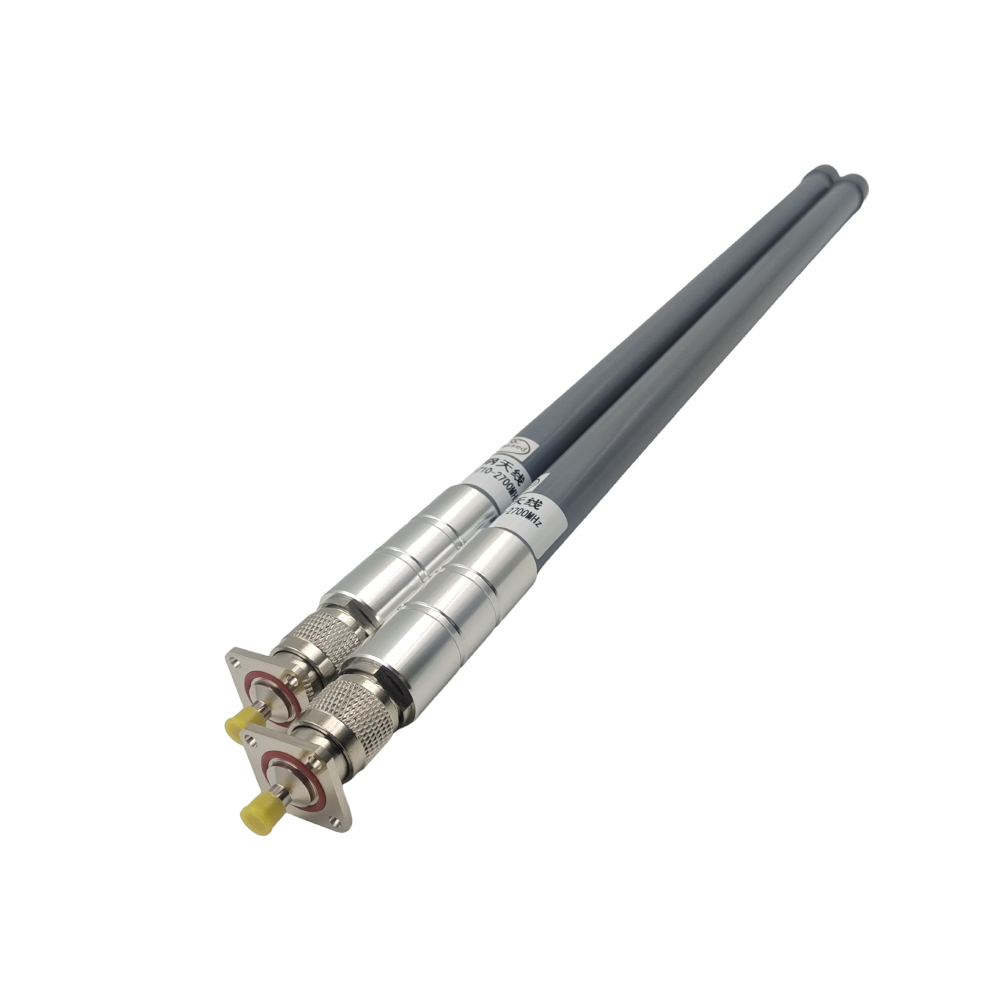
5. How to Choose a High-Quality GPS BDS 4G Antenna? Buying Guide
There are many types of GPS BDS 4G antennas on the global market, with large differences in performance, quality, and price. To avoid poor signal, unstable positioning, and short service life caused by inferior products, users need to select products according to application scenarios and technical requirements. The core selection criteria are as follows:
5.1 Confirm Frequency Band & Compatibility
First, confirm whether the antenna frequency band matches the local network and equipment module. For global cross-border equipment, it is necessary to select full-band 4G LTE antennas covering all mainstream global frequency bands to avoid network incompatibility in different regions. At the same time, ensure that the GPS/BDS frequency band covers BDS third-generation full frequency bands and GPS L1 frequency bands to meet high-precision positioning requirements. In addition, check whether the antenna interface (SMA/IPEX) and impedance match the terminal module to ensure plug-and-play compatibility.
5.2 Focus on Gain & Signal Stability
Gain is a key indicator affecting signal reception effect. For urban complex environments with serious signal shielding, select antennas with GNSS gain ≥28dBi and 4G gain ≥3dBi to ensure strong weak signal capture ability. Avoid low-gain inferior antennas that are prone to positioning drift, signal disconnection, and slow network transmission. At the same time, prioritize products with low noise figure and high isolation to ensure no crosstalk between positioning and communication signals and stable long-term operation.
5.3 Match Environmental Adaptability Parameters
Select protection grades according to the installation environment: indoor equipment can choose conventional waterproof models, while outdoor vehicle, industrial, and municipal equipment must choose IP65/IP67 waterproof and dustproof antennas. For extreme temperature environments (high temperature in summer, low temperature in winter), confirm that the antenna operating temperature range covers -40℃ to +85℃ to avoid performance degradation or damage caused by temperature changes. For vibration scenarios such as vehicles, select antennas with firm structural design and anti-vibration performance.
5.4 Select Active/Passive Antenna According to Demand
Active GPS BDS 4G antennas are built with LNA amplifiers, with strong signal amplification ability, suitable for complex environments with weak signals such as urban buildings and remote suburbs. Passive antennas have no amplification function, with low cost, suitable for open outdoor environments with strong signals and low positioning accuracy requirements. Most industrial and commercial intelligent equipment prioritizes active combo antennas to ensure stable positioning and network performance.
5.5 Check Product Quality & Certification
High-quality GPS BDS 4G antennas usually pass CE, FCC, RoHS and other international certifications, meeting global export and use standards. The shell is made of high-quality ABS or metal waterproof materials, with firm wiring harness and stable interface contact. Inferior products have rough workmanship, unqualified shielding performance, and are prone to signal failure and water ingress damage, so it is necessary to choose regular manufacturers and branded products with complete after-sales guarantee.
6. Standard Installation & Maintenance Tips for GPS BDS 4G Antenna
Even high-performance antennas will have reduced performance due to incorrect installation and improper maintenance. Standard installation and daily maintenance can maximize the service life and signal stability of GPS BDS 4G antennas.
6.1 Standard Installation Guidelines
First, choose a reasonable installation position: the antenna should be installed in an open position without metal shielding, avoid installing under metal shells, vehicle bottoms, and dense buildings, to prevent blocking satellite and cellular signals. For vehicle installation, the magnetic suction base can be fixed on the top of the car or the front/rear windshield metal position to ensure omnidirectional signal reception.
Secondly, standardize wiring layout: avoid excessive bending, stretching, and winding of the antenna cable, prevent internal wire breakage and signal attenuation, and keep the cable away from high-power electrical equipment and power lines to reduce electromagnetic interference. The interface should be tightly connected to avoid virtual connection and signal loss caused by loose interface.
Finally, fix the antenna firmly: according to the installation method (magnetic suction, screw fixing), ensure that the antenna is firmly fixed, avoid falling off and displacement caused by vehicle vibration and outdoor wind blowing, and ensure long-term stable installation state.
6.2 Daily Maintenance & Fault Troubleshooting
Daily maintenance is mainly divided into regular cleaning and inspection: regularly clean the dust, rainwater, and sediment on the antenna shell to avoid blocking the signal radiation port; check whether the cable is aging, damaged, or loose in interface, and replace aging accessories in time. For outdoor antennas, check the waterproof rubber ring regularly to ensure no water ingress and damp inside the antenna.
Common fault troubleshooting: if positioning drift or inaccurate positioning occurs, check whether the installation position is shielded, clean the antenna surface, and restart the positioning module; if the 4G network is disconnected or the transmission is slow, check whether the local 4G signal is normal, whether the antenna cable is faulty, and eliminate interface virtual connection problems; if the antenna fails for a long time, check whether the internal amplifier is damaged and replace the antenna in time.
7. Market Development Trend of GPS BDS 4G Antenna
With the rapid development of global IoT, intelligent transportation, smart city, and industrial intelligence industries, the market demand for GPS BDS 4G antennas continues to grow steadily. In the future, the industry will present three major development trends:
First, high precision and miniaturization. With the upgrading of positioning technology, antennas will support higher-precision RTK positioning, realizing centimeter-level positioning services. At the same time, with the miniaturization and lightweight development of intelligent terminal equipment, combo antennas will be more compact in size, adapting to the design requirements of portable and miniaturized equipment.
Second, multi-frequency integration and multi-scenario adaptation. On the basis of GPS+BDS+4G, future antennas will integrate more functions such as WiFi and Bluetooth, realizing multi-signal integrated reception, further reducing equipment volume and cost. At the same time, the environmental adaptability will be further improved, adapting to extreme environments such as high altitude, high humidity, and strong electromagnetic interference.
Third, intelligent and low-power upgrade. With the popularization of low-power IoT equipment, low-power antenna design will become the mainstream, matching the long standby demand of battery-powered equipment. At the same time, intelligent signal adjustment technology will be added, which can automatically optimize signal gain and filtering according to environmental signal changes, ensuring always stable signal performance.
8. FAQ About GPS BDS 4G Antenna
Q1: What is the difference between GPS BDS 4G antenna and ordinary GPS 4G antenna?
Ordinary GPS 4G antennas only support single GPS satellite positioning, with poor positioning stability in areas with weak GPS signals. The upgraded GPS BDS 4G dual-mode antenna supports GPS and BDS dual satellite systems, with more trackable satellites, stronger anti-shielding ability, higher positioning accuracy, and wider global applicability, which is more suitable for complex global application scenarios.
Q2: Can GPS BDS 4G antenna work in all countries?
Yes. Full-band GPS BDS 4G antenna supports global GPS satellite coverage and BDS global networking services, and covers all mainstream 4G LTE frequency bands in the world, which can be normally used in Europe, North America, Southeast Asia, Africa, Oceania and other regions, with no regional restrictions.
Q3: Does the integrated combo antenna have signal interference?
High-quality industrial-grade GPS BDS 4G antennas adopt professional internal channel isolation and multi-layer shielding technology, with isolation ≥20dB, which can completely avoid mutual interference between positioning signals and 4G communication signals, and the signal stability is far better than ordinary spliced dual antennas.
Q4: What installation environment will affect the antenna signal?
Metal shielding (metal shell, metal baffle), high-rise building occlusion, underground enclosed space, and strong electromagnetic radiation environment will weaken the antenna signal. It is recommended to install the antenna in an open, unshielded, and ventilated position to ensure the best signal reception effect.
As an indispensable core component of modern intelligent connection and positioning systems, the GPS BDS 4G antenna integrates dual-system high-precision positioning and full-band 4G communication functions, solving the pain points of bulky installation, high cost, and unstable signal of traditional single antennas. With the advantages of compact structure, strong compatibility, stable performance, and wide application scenarios, it has become the preferred antenna solution for vehicle tracking, industrial IoT, smart cities, and shared intelligent equipment.
With the continuous upgrading of global intelligent infrastructure construction and satellite navigation technology, the market demand for high-performance GPS BDS 4G combo antennas will continue to expand. Choosing standardized, high-quality, and high-cost-performance GPS BDS 4G antennas can effectively improve the operating stability and service life of intelligent terminal equipment, bringing long-term value and benefits for commercial and industrial intelligent projects.
Lucy Yang | lucy.y@toxutech.com
Dotty Zhao | sales04@toxutech.com
Global Business Director / Sales Team / Global Operations


 En
En Cn
Cn Korean
 Home >