

-
Products -PCBA Manufacturing RF Connectors RF Cable Assemblys Embedded Antennas External Antennas GNSS Positioning Solutions
RF Connectors

RF Cable Assemblys
Embedded Antennas
External Antennas
GNSS Positioning Solutions































 Language


Language


Time:2026-10-15 Views:0
Automotive custom wiring harnesses are the engineered backbone of every vehicle’s electrical system, delivering tailored connectivity for power distribution, signal transmission, and electronic component integration. Unlike generic offtheshelf wiring assemblies that follow standardized templates, custom automotive wiring harnesses are fully customized to match a vehicle’s unique layout, performance requirements, environmental conditions, and functional specifications. From classic car restorations and engine swaps to highperformance race vehicles, electric vehicles (EVs), commercial fleets, and specialty industrial automotive equipment, custom wiring harnesses solve the limitations of stock harnesses and ensure reliable, longlasting electrical operation.
In the modern automotive industry, where vehicle electrification, advanced driverassistance systems (ADAS), smart connectivity, and highvoltage EV architectures dominate innovation, generic wiring solutions can no longer meet precise technical demands. An optimized custom automotive wiring harness eliminates excess wiring, reduces electrical resistance, minimizes electromagnetic interference (EMI), and enhances overall vehicle safety and durability. This comprehensive guide explores everything you need to know about automotive custom wiring harnesses, including core benefits, professional design standards, material selection, key applications, manufacturing processes, installation best practices, quality testing, and critical tips for choosing a reliable manufacturer.
1. What Is an Automotive Custom Wiring Harness?
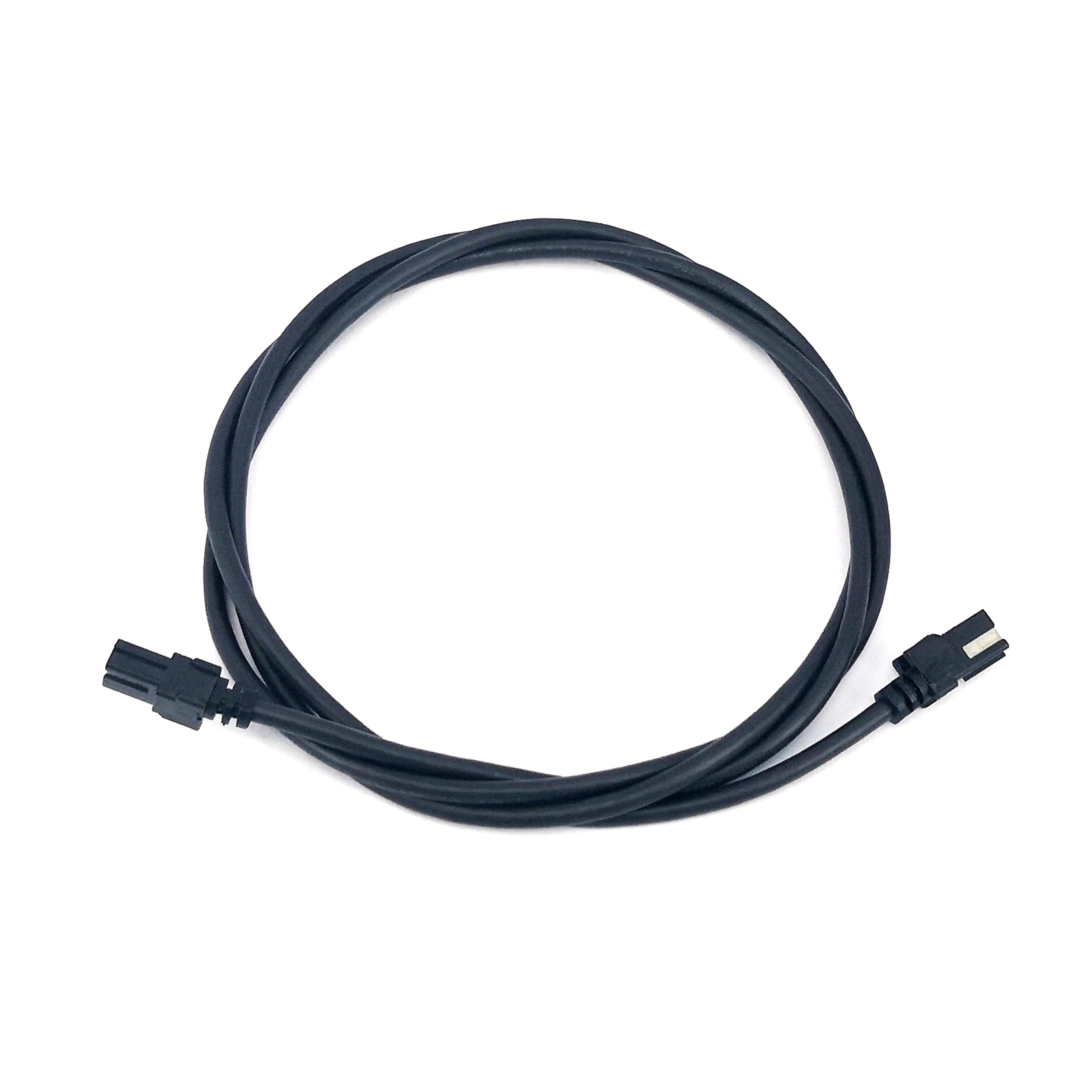
An automotive custom wiring harness is a purposebuilt assembly of insulated wires, precision terminals, industrygrade connectors, protective tubing, cable ties, heatshrink sleeves, and mounting accessories, engineered to fit the exact electrical and mechanical requirements of a specific vehicle or automotive project. Every element—including wire gauge, wire length, connector type, routing path, insulation material, and shielding configuration—is customized to address unique project needs, rather than adhering to universal industry standards.
Stock or OEM wiring harnesses are massproduced to fit mainstream production vehicles, featuring redundant circuits, fixed routing, and generalized materials that compromise performance for universal compatibility. In contrast, custom automotive wiring harnesses are fully projectspecific, making them ideal for modified vehicles, custom builds, discontinued classic models, highperformance racing cars, and nextgeneration electric and hybrid vehicles. Whether you need a simplified harness for a vintage car restoration or a complex highvoltage assembly for an EV conversion, a custom wiring harness delivers a precise, highperformance solution.
Core components of a standard custom automotive wiring harness include: stranded oxygenfree copper (OFC) conductors, heatresistant insulation, waterproof automotive connectors, crimped terminals, EMI shielding sleeves, flexible corrugated tubing, strain relief fittings, and durable labeling markers for easy circuit identification and future maintenance.
2. Key Benefits of Custom Automotive Wiring Harnesses Over Stock Harnesses
The shift from generic stock wiring harnesses to custom automotive wiring solutions is driven by tangible performance, safety, and cost advantages for vehicle builders, repair shops, and automotive manufacturers. Below are the most impactful benefits that make custom harnesses a top choice for professional automotive projects.
2.1 Perfect Vehicle Fit and Simplified Installation
Generic wiring harnesses are designed to fit multiple vehicle models, resulting in excess wiring, awkward routing, and unnecessary components that complicate installation. Custom automotive wiring harnesses are engineered based on precise vehicle measurements and chassis layout, ensuring every wire length, connector position, and routing path is optimized for the specific vehicle. This eliminates loose wiring, excess slack, and illfitting components, drastically cutting installation time and reducing human error during assembly. For custom car builders and restoration specialists, this tailored fit streamlines the entire build process and delivers a clean, professional underhood and interior wiring layout.
2.2 Enhanced Electrical Performance and Signal Integrity
Electrical performance is critical for modern vehicles equipped with sensitive electronics, including ECUs, sensors, ADAS modules, infotainment systems, and highvoltage EV components. Custom wiring harnesses use precise wire gauge calculations matched to circuit amperage and wire run length, eliminating voltage drop, overheating, and power loss common in mismatched stock harnesses. Additionally, professional custom harness designs integrate twisted pair wiring for signal circuits and physical separation between power and signal lines, effectively reducing EMI and radio frequency interference (RFI). This preserves signal integrity for sensitive automotive electronics, preventing system glitches, sensor malfunctions, and communication errors between vehicle modules.
2.3 Superior Durability and Environmental Resistance
Automotive wiring systems operate in harsh conditions, including extreme engine heat, road vibration, moisture, dust, chemical exposure (oil, fuel, coolant), and temperature fluctuations. Generic harnesses often use lowgrade insulation and protective materials that degrade quickly under these stresses. Custom automotive wiring harnesses utilize applicationspecific highperformance materials, such as XLPE, crosslinked PVC, and silicone insulation, paired with IPrated waterproof connectors, abrasionresistant corrugated tubing, and heatshrink sealing. These custom protective features deliver exceptional resistance to heat, corrosion, abrasion, and moisture, extending the harness lifespan and preventing common electrical failures like short circuits, wire fraying, and connection oxidation.
2.4 Improved Vehicle Safety and Compliance
Faulty wiring is one of the leading causes of vehicle electrical fires and system failures. Custom wiring harnesses are designed and manufactured to meet strict automotive industry standards, including IATF 16949, ISO 9001, SAE automotive specifications, and CE safety certifications. Every circuit is optimized with correct load ratings, fuse integration, and strain relief protection to prevent overloading, overheating, and loose connections. For EV and hybrid vehicles, custom highvoltage harnesses include specialized isolation shielding and creepage distance design to eliminate arcing risks and ensure highvoltage safety. This strict compliance minimizes safety hazards and ensures the vehicle meets regional automotive regulatory requirements.
2.5 Reduced LongTerm Maintenance and Replacement Costs
While custom wiring harnesses have a higher upfront cost than generic alternatives, they deliver significant longterm cost savings. Stock harnesses often require frequent repairs, modifications, and replacements due to poor fit and inferior durability. Custom harnesses feature standardized circuit labeling, organized routing, and highquality components that simplify troubleshooting and maintenance. Their superior durability reduces breakdowns, electrical faults, and premature replacement needs, lowering ongoing repair costs and vehicle downtime for commercial and performance vehicles.
2.6 Customizable Functionality for Specialized Projects
Many automotive projects require unique electrical configurations that stock harnesses cannot support, including engine swaps, emissions system removal, race car weight reduction, EV conversions, and custom accessory integration. Custom wiring harnesses allow full functional customization: builders can remove redundant circuits, add custom power circuits for aftermarket accessories, integrate upgraded sensor systems, and adapt wiring for modified ECUs. This flexibility makes custom harnesses indispensable for all custom vehicle builds and retrofit projects.
3. Common Applications of Automotive Custom Wiring Harnesses
Custom automotive wiring harnesses serve a diverse range of automotive sectors and specialized projects, catering to consumer, commercial, racing, and electric vehicle markets. Below are the most prevalent use cases that rely on custom wiring solutions.
3.1 Classic Car Restoration
Most vintage and classic vehicles (25+ years old) have discontinued OEM wiring harnesses, and aged stock wiring often suffers from brittle insulation, corroded connections, and degraded conductivity. Custom wiring harnesses are the ideal solution for classic car restorations, offering modern, durable wiring that matches the original vehicle’s electrical layout while upgrading material quality for improved reliability. Restorers can retain original vehicle functionality while eliminating decadesold electrical faults, restoring classic cars to safe, fully operational condition.
3.2 Engine Swaps and Vehicle Modifications
Engine swap projects require integrating new engines, ECUs, and sensor systems into existing vehicle chassis, a process that generic harnesses cannot support. Custom wiring harnesses bridge the compatibility gap, adapting wiring layouts to match new engine specifications, transmission systems, and aftermarket performance parts. Additionally, custom harnesses support common modifications like turbocharger upgrades, custom lighting systems, and performance fuel system integration.
3.3 HighPerformance Racing and OffRoad Vehicles
Race cars, drift vehicles, and offroad buggies demand lightweight, vibrationresistant, and highstability electrical systems. Custom racing wiring harnesses are engineered to reduce unnecessary weight by eliminating redundant circuits, feature reinforced strain relief for extreme vibration environments, and use hightemperature resistant materials to withstand intense underhood heat. These harnesses also optimize signal stability for highperformance engine management systems, ensuring consistent performance during competitive racing and rugged offroad use.
3.4 Electric and Hybrid Vehicle (EV/HEV) Conversions
EV and hybrid vehicles feature unique highvoltage electrical architectures (400V to 800V+) that differ drastically from traditional 12V gasoline vehicles. Custom EV wiring harnesses utilize thickgauge highpower conductors, heavy EMI shielding, hightemperature insulation, and specialized highvoltage connectors to support battery packs, motor controllers, and charging systems. These custom assemblies ensure safe highvoltage power transmission, precise battery management system (BMS) signal transmission, and full compliance with EV safety standards.
3.5 Commercial and Specialty Automotive Vehicles
Commercial fleets, delivery trucks, construction vehicles, agricultural machinery, and recreational vehicles (RVs) all require customized electrical wiring to support specialized equipment, including hydraulic systems, auxiliary power units, lighting arrays, and monitoring devices. Custom automotive wiring harnesses are tailored to meet heavyduty operational demands, with enhanced abrasion resistance, waterproofing, and load capacity for longterm commercial use.
3.6 ADAS and Smart Vehicle System Integration
Modern smart vehicles rely on ADAS features such as adaptive cruise control, lanekeeping assist, collision detection, and 360degree camera systems, which require precise lownoise signal wiring. Custom wiring harnesses integrate dedicated shielded signal wires and optimized routing to protect sensitive sensor and camera signals from EMI interference, ensuring accurate and reliable operation of smart driving systems.
4. Professional Design Standards for Custom Automotive Wiring Harnesses
A highquality custom automotive wiring harness is not a simple assembly of wires and connectors—it is a precisionengineered system designed to meet strict automotive performance and safety standards. Professional manufacturers follow standardized design protocols to ensure optimal reliability and functionality, covering five core design factors.
4.1 Precise Wire Gauge and Circuit Load Calculation
Wire gauge selection is the foundation of safe electrical system design. Designers calculate exact wire gauge (AWG) based on circuit amperage draw, wire run length, and operating temperature to prevent voltage drop, overheating, and wire burnout. Highpower circuits (engine power, battery connections) use largergauge wires, while lowcurrent signal circuits (sensors, cameras) use smaller, flexible gauge wires for space efficiency. All calculations comply with SAE J1128 automotive wire standards to ensure electrical safety.
4.2 Connector and Terminal Selection
Connector quality directly determines harness stability and durability. Custom harness designs prioritize industrystandard automotive connectors from reputable brands, with IP67/IP68 waterproof, dustproof, and vibrationresistant ratings for exterior and underhood use. Terminals are precision crimped with standardized torque values to ensure tight, lowresistance connections that resist loosening from vehicle vibration. Designers also match connector pinouts to ECU, sensor, and accessory specifications to guarantee perfect compatibility.
4.3 Optimized Routing and Strain Relief Design
Improper wiring routing leads to wire bending fatigue, abrasion, and connection failure over time. Professional custom harness design follows vehicle chassis geometry to create smooth routing paths with controlled bend radii, avoiding sharp edges, highheat zones, and moving mechanical components. Strategic strain relief fittings are installed at all connection points to absorb vibration and tension, preventing wire breakage and terminal detachment during longterm vehicle operation.
4.4 Targeted Environmental Protection Configuration
Designers customize protective structures based on the harness’s operating environment. Underhood harnesses use hightemperature insulation and heatreflective tubing to withstand 125°C+ engine heat. Chassis and exterior harnesses use waterproof heatshrink seals and abrasionresistant corrugated tubing to resist road debris, moisture, and chemical corrosion. Signal circuits add EMI shielding sleeves and twisted pair wiring to eliminate electromagnetic interference from power circuits and engine components.
4.5 Standardized Labeling and Circuit Organization
All custom automotive wiring harnesses feature clear, permanent wire labeling and circuit marking, with standardized color coding and numbering for each circuit. This systematic organization simplifies installation, troubleshooting, repair, and future system upgrades, a critical feature for professional repair shops and fleet maintenance teams.
5. Premium Material Selection for Durable Custom Wiring Harnesses
Material quality defines the lifespan and performance of custom automotive wiring harnesses. Top manufacturers use only automotivegrade materials compliant with international industry standards to ensure maximum durability and reliability.
Wire Conductors: OxygenFree Copper (OFC) conductors are the industry standard, offering superior conductivity, flexibility, corrosion resistance, and fatigue resistance compared to copperclad aluminum (CCA) wires. OFC wires minimize electrical resistance and ensure stable longterm power and signal transmission.
Insulation Materials: XLPE (CrossLinked Polyethylene) and crosslinked PVC are the most common highperformance insulation materials, featuring excellent heat resistance, abrasion resistance, and chemical stability. For extreme hightemperature environments, silicone insulation is used to withstand temperatures up to 200°C without melting or degrading.
Protective Accessories: Abrasionresistant PA66 corrugated tubing, heatreflective fiberglass sleeves, waterproof heatshrink tubing, EMI shielding braids, and UVresistant cable ties are used to protect wires from mechanical damage, heat, moisture, and radiation.
Connectors and Terminals: Automotivegrade nylon connectors with tinplated copper terminals resist oxidation and corrosion. Sealed waterproof connectors with rubber gaskets ensure full moisture and dust protection for outdoor and underhood applications.
6. Manufacturing and Quality Testing Process for Custom Harnesses
Professional automotive custom wiring harness manufacturing follows strict IATF 16949 quality management systems, with standardized production and multistage testing to guarantee zero defects.
6.1 Precision Production Steps
The manufacturing process includes precise wire cutting, automated stripping, standardized terminal crimping, manual assembly and routing, connector insertion, protective tubing installation, circuit labeling, and final bundling. Every step follows technical drawings customized for the client’s project to ensure 100% design compliance.
6.2 Rigorous Quality Testing
All finished harnesses undergo comprehensive performance testing before delivery:
Continuity Testing: Verifies complete circuit connectivity with resistance ≤0.5Ω to ensure no open or loose connections.
Insulation Resistance Testing: Ensures insulation resistance ≥100MΩ to prevent short circuits and current leakage.
HiPot Testing: Applies high voltage to detect insulation defects and prevent electrical arcing.
Vibration and Thermal Cycling Testing: Simulates real vehicle operating conditions to validate mechanical durability and temperature resistance.
EMI Performance Testing: Verifies shielding effectiveness for signal and highvoltage circuits.
7. Installation Best Practices for Custom Automotive Wiring Harnesses
Even the highestquality custom harness requires professional installation to maximize performance and lifespan. Key installation best practices include:
First, plan routing paths to avoid highheat engine components, sharp metal edges, and moving mechanical parts, reserving sufficient bend radius to prevent wire strain. Second, secure the harness firmly with mounting clips and cable ties to eliminate loose vibration during vehicle operation. Third, seal all connector joints and terminal connections with heatshrink tubing to prevent moisture ingress and oxidation. Fourth, separate highpower wiring and lowsignal wiring to reduce EMI interference. Finally, complete full circuit testing after installation to confirm connectivity, insulation integrity, and normal electrical operation before vehicle startup.
8. How to Choose a Reliable Custom Automotive Wiring Harness Manufacturer
Selecting a professional manufacturer is critical to obtaining highquality, compliant custom wiring harnesses. Use these key criteria to evaluate suppliers:
Industry Certifications: Prioritize manufacturers with IATF 16949 automotive quality certification, ISO 9001 quality management certification, UL certification, and CE safety compliance, ensuring standardized production and quality control.
Customization Capability: Choose suppliers that offer full custom design services, including schematic drawing, wire gauge calculation, routing optimization, and functional customization for unique project requirements.
Material Quality Control: Confirm the manufacturer uses automotivegrade OFC wires, hightemperature insulation, and branded waterproof connectors to guarantee harness durability.
Testing and Validation: Ensure the supplier conducts full electrical, mechanical, and environmental testing for every custom harness batch.
Industry Experience: Prefer manufacturers with extensive experience in classic car restoration, racing builds, EV conversion, and commercial vehicle harness production to meet diverse project needs.
AfterSales Support: Select suppliers that provide technical guidance, installation documentation, and aftersales maintenance support for longterm project reliability.
9. Frequently Asked Questions (FAQs) About Custom Automotive Wiring Harnesses
9.1 Are custom wiring harnesses worth the investment?
Yes. While custom harnesses have higher upfront costs than generic alternatives, they deliver superior fit, performance, durability, and safety. They eliminate frequent electrical faults, reduce maintenance costs, and support specialized vehicle modifications that stock harnesses cannot accommodate, making them a costeffective longterm solution for all professional automotive projects.
9.2 How long does a custom automotive wiring harness last?
With highquality materials and professional installation, a custom wiring harness can last 10–15 years or longer, far exceeding the lifespan of stock harnesses. Premium protective materials and precision manufacturing resist heat, vibration, and corrosion, minimizing degradation over time.
9.3 Can custom harnesses be designed for electric vehicles?
Absolutely. Professional manufacturers offer specialized custom EV wiring harnesses designed for highvoltage architectures, featuring heavyduty shielding, hightemperature insulation, and safety isolation structures to meet EV electrical safety standards.
9.4 What projects require custom wiring harnesses instead of stock ones?
Custom harnesses are essential for classic car restorations, engine swaps, race car builds, EV conversions, custom accessory integration, and specialty commercial vehicles. Any project requiring nonstandard wiring layout, modified circuits, or enhanced durability benefits from custom solutions.
Automotive custom wiring harnesses are indispensable components for modern vehicle customization, restoration, electrification, and highperformance engineering. By delivering tailored design, superior material quality, optimized electrical performance, and enhanced environmental durability, custom harnesses resolve the core limitations of generic stock wiring solutions. Whether for vintage car restoration, competitive racing, EV conversion, or commercial vehicle modification, a professionally designed and manufactured custom automotive wiring harness ensures reliable electrical system operation, improved vehicle safety, and longterm cost savings.
As automotive technology continues to evolve toward electrification and intelligent connectivity, the demand for precision custom wiring harnesses will keep growing. Partnering with a certified, experienced custom harness manufacturer is the key to obtaining a highquality, projectspecific wiring solution that matches your exact technical and performance requirements.
Lucy Yang | lucy.y@toxutech.com
Dotty Zhao | sales04@toxutech.com
Global Business Director / Sales Team / Global Operations


 En
En Cn
Cn Korean
 Home >